Stayadoodle Journal
Discover stories, tips, and insights from the Stayadoodle community about dog care, community building, and more.

5 Human Behaviors That Accidentally Make Dogs Nervous
Most dog owners want their pets to feel safe and confident, yet certain everyday human habits can unintentionally create stress. Dogs interpret the world differently than we do, and small actions may feel overwhelming from their perspective. Understanding these common mistakes helps Canadian pet parents build calmer, more trusting relationships.

Spotting the Signs: How to Tell if Your Dog Is Anxious
Dogs cannot tell us when they feel anxious, but they communicate discomfort through behaviour and body language. Recognizing early warning signs helps prevent stress from escalating into more serious problems. For Canadian pet parents, understanding anxiety is an important part of responsible and compassionate care.

Tail-Wagging Truths: How to Tell if Your Dog Is Happy
A wagging tail is often seen as the universal sign of a happy dog, but true contentment is more nuanced. Dogs express joy through a combination of body language, behaviour, and overall wellbeing. Understanding these signals helps Canadian pet parents respond with confidence and care.

A Step-by-Step Guide to Socializing Your Dog
Good socialization helps dogs feel safe and confident in the world around them. It is not about forcing friendly interactions, but about teaching your dog that new people, places, and sounds are not threats. This step by step guide offers practical, responsible socialization strategies for Canadian pet parents, from puppyhood through adulthood.

Sniffles and Sneezes: What to Do for a Puppy with a Runny Nose
A runny nose in a puppy can be concerning, especially for first time dog owners. While mild nasal discharge is sometimes harmless, it can also signal infection or irritation. Knowing what is normal and when to contact your veterinarian helps Canadian pet parents respond appropriately and calmly.

Manners Matter: How to Train Your Dog Not to Jump on People
Jumping up may seem friendly, but it can quickly become a problem for guests, children, and strangers. Teaching polite greetings is an essential life skill for dogs of all ages. With consistency and positive reinforcement, Canadian pet parents can help their dogs greet people calmly and confidently.

Cute or Concerning? Why Dogs Get Hiccups
Dog hiccups can be amusing, especially in puppies, but they sometimes raise questions for concerned pet parents. In most cases, hiccups are harmless and temporary. Understanding why they happen and when they may signal a problem helps Canadian dog owners respond calmly and appropriately.

Legume Check: Can Dogs Eat Chickpeas?
Chickpeas are a popular plant based protein found in salads, soups, and spreads like hummus. If your dog shows interest in these small legumes, you may wonder whether they are safe to share. In moderation and with proper preparation, plain chickpeas can be safe for most healthy dogs.
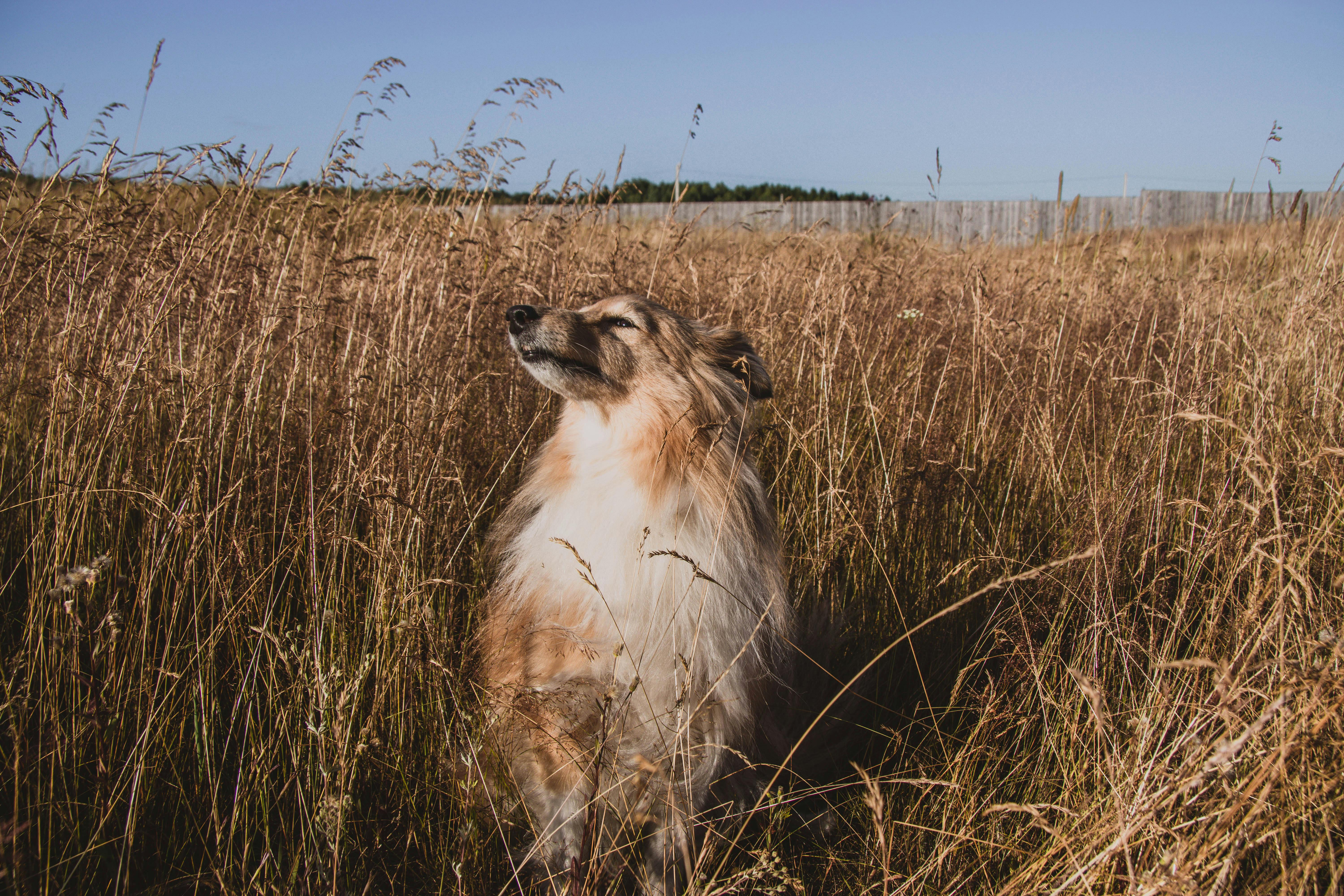
Sweet Treats: Can Dogs Safely Eat Dates?
Dates are naturally sweet fruits often enjoyed as snacks or used in holiday baking. If your dog shows interest, you may wonder whether they are safe to share. While dates are not toxic to dogs, they should only be offered occasionally and in very small portions.

Crunchy Snacks: Can Dogs Eat Radishes?
Radishes are crisp, peppery vegetables that often appear in salads and holiday platters. If your dog shows interest in this crunchy snack, you may wonder whether it is safe to share. The short answer is yes, in moderation and with proper preparation, radishes are generally safe for most healthy dogs.