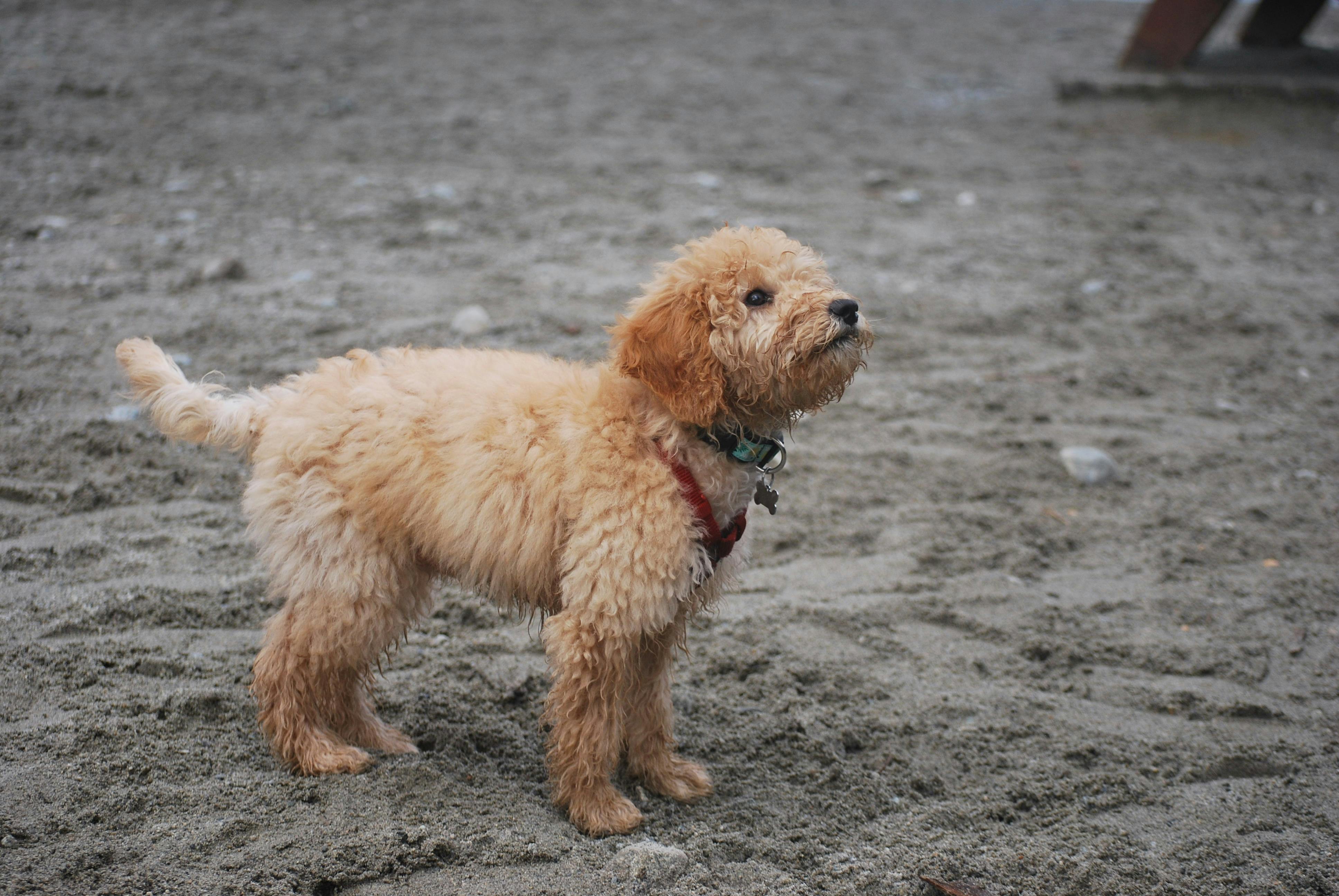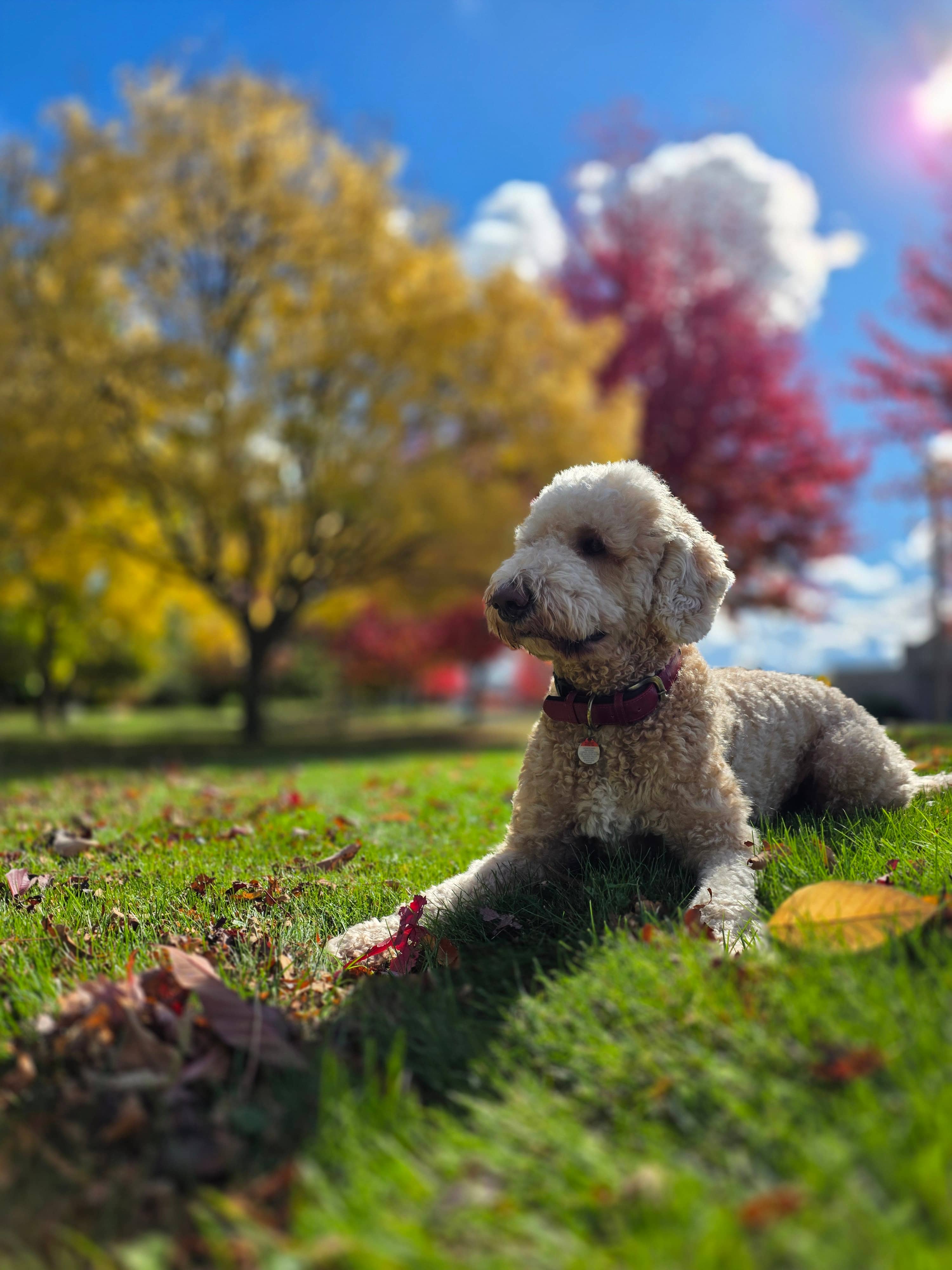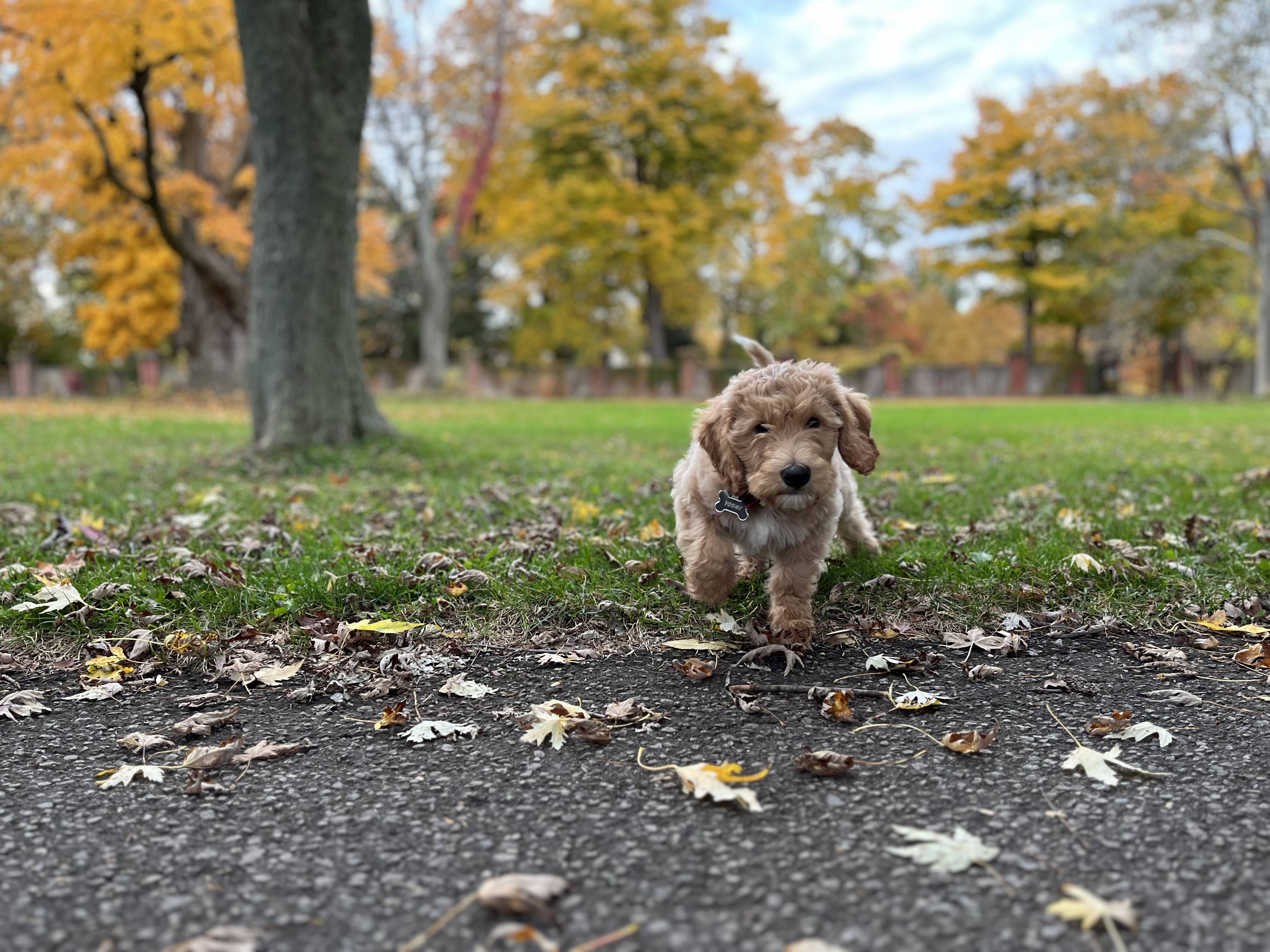
A wagging tail is often seen as the universal sign of a happy dog, but true contentment is more nuanced. Dogs express joy through a combination of body language, behaviour, and overall wellbeing. Understanding these signals helps Canadian pet parents respond with confidence and care.
Happiness Is a Whole Body Experience
A happy dog shows relaxation from nose to tail. Rather than focusing on one signal, observe the entire posture.
Common signs of happiness include:
Loose, wiggly body movement
Soft eyes with a relaxed gaze
Ears in a natural position
Gentle tail movement
Calm, steady breathing
A relaxed dog looks balanced rather than tense or overly stimulated.
The Meaning Behind the Tail Wag
Not all tail wags signal joy. Context and body posture matter.
A happy wag is usually:
Loose and sweeping
Accompanied by a relaxed body
Combined with playful movement
A stiff, high wag with a rigid posture may indicate alertness or tension instead. Pay attention to the whole picture.
Playful Behaviour and Engagement
Play is one of the clearest signs of happiness. Dogs who initiate play, respond enthusiastically, and recover quickly after excitement are often emotionally balanced.
Signs of playful joy include:
Play bows
Bouncy movements
Brief pauses during play
Returning for more interaction
In Canadian households where winter limits outdoor activity, indoor play sessions can help maintain this positive energy.
Healthy Appetite and Sleep Patterns
A content dog typically maintains consistent eating and sleeping habits. While occasional changes are normal, ongoing disruptions may signal stress or illness.
Watch for:
Steady appetite
Comfortable sleep
Smooth transitions between rest and activity
If your dog’s routine changes suddenly, consult your veterinarian to rule out medical causes.
Comfort in Your Presence
Dogs that feel secure often seek proximity without appearing anxious. They may sit beside you, rest their head on your leg, or follow you calmly from room to room.
This attachment suggests:
Trust
Emotional security
Positive bonding
A dog that relaxes fully in your presence is often a happy one.
Curiosity About the Environment
A happy dog tends to explore with interest. Sniffing during walks, noticing new sounds without panic, and engaging calmly with surroundings are positive signs.
In Canadian cities or rural areas, curiosity may look different, but confidence remains the common thread. A dog that investigates without fear is typically emotionally comfortable.
Social Interactions
Dogs that greet familiar people with enthusiasm and maintain polite behaviour often display emotional wellbeing.
Look for:
Loose body posture during greetings
Appropriate play with other dogs
Quick recovery after mild surprises
Not every dog enjoys all social settings, but a generally relaxed approach to familiar situations suggests contentment.
Emotional Stability Matters
Happiness is not constant excitement. In fact, overly aroused behaviour may signal stress rather than joy.
True contentment includes:
Ability to settle calmly
Balanced energy levels
Predictable behaviour patterns
Dogs who can shift smoothly between play and rest demonstrate emotional balance.
Canadian Climate and Wellbeing
Seasonal changes can influence behaviour. During long winters, reduced daylight and limited outdoor time may affect energy levels.
Support happiness by:
Maintaining regular exercise
Providing indoor enrichment
Protecting paws from ice and salt
Ensuring safe summer cooling options
Environmental comfort plays a key role in overall wellbeing.
When to Look Deeper
If your dog shows persistent signs such as withdrawal, aggression, excessive barking, or loss of interest in activities, consult your veterinarian.
Behavioural shifts can sometimes indicate physical discomfort or emotional stress. Early evaluation supports responsible care.
Final Thoughts
Happiness in dogs is expressed through relaxed body language, steady routines, and confident engagement with the world. It is less about constant excitement and more about comfort, security, and balance.
For Canadian pet parents, thoughtful observation and consistent care create the foundation for lasting contentment. When your dog feels safe, supported, and understood, their happiness becomes evident in every interaction.