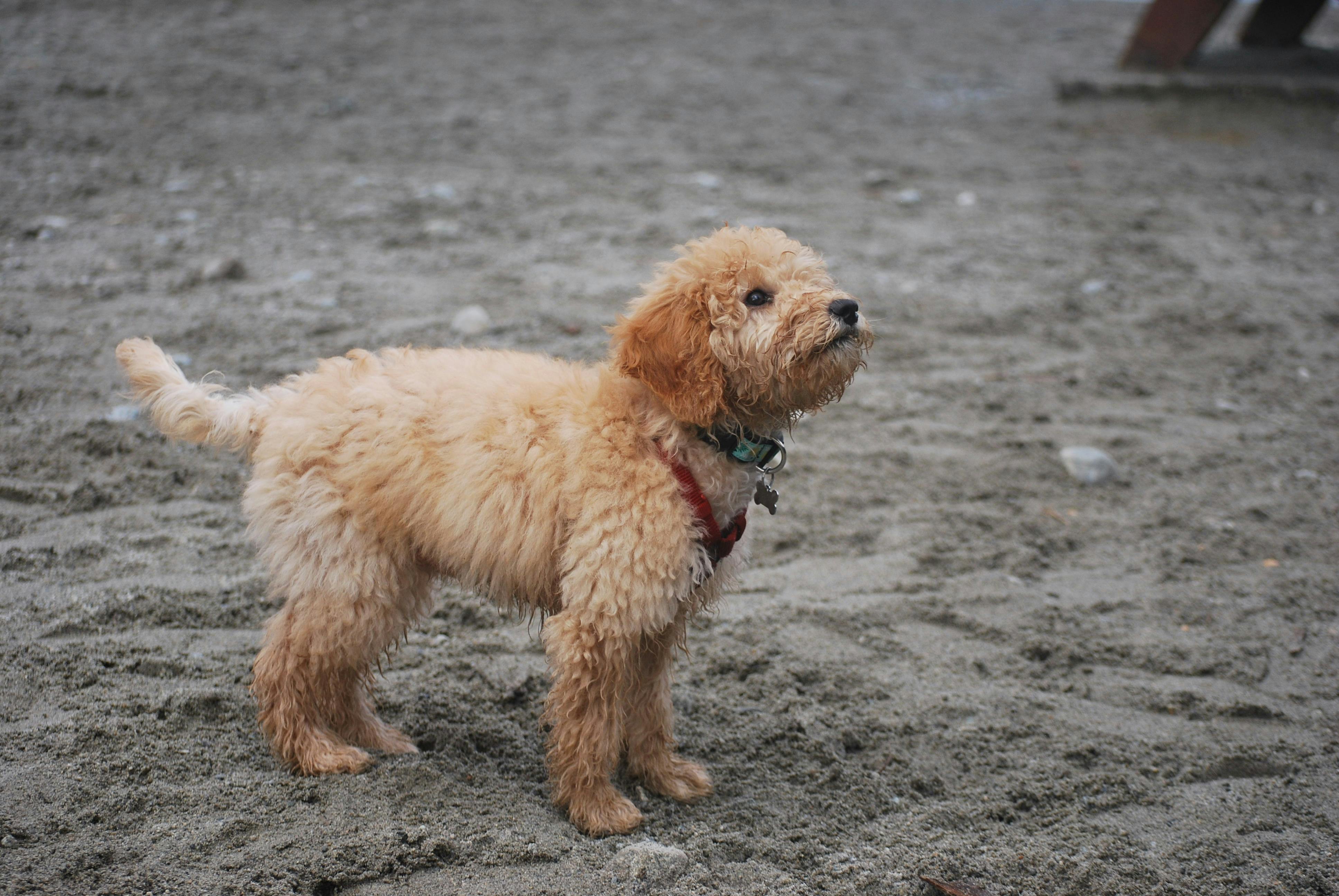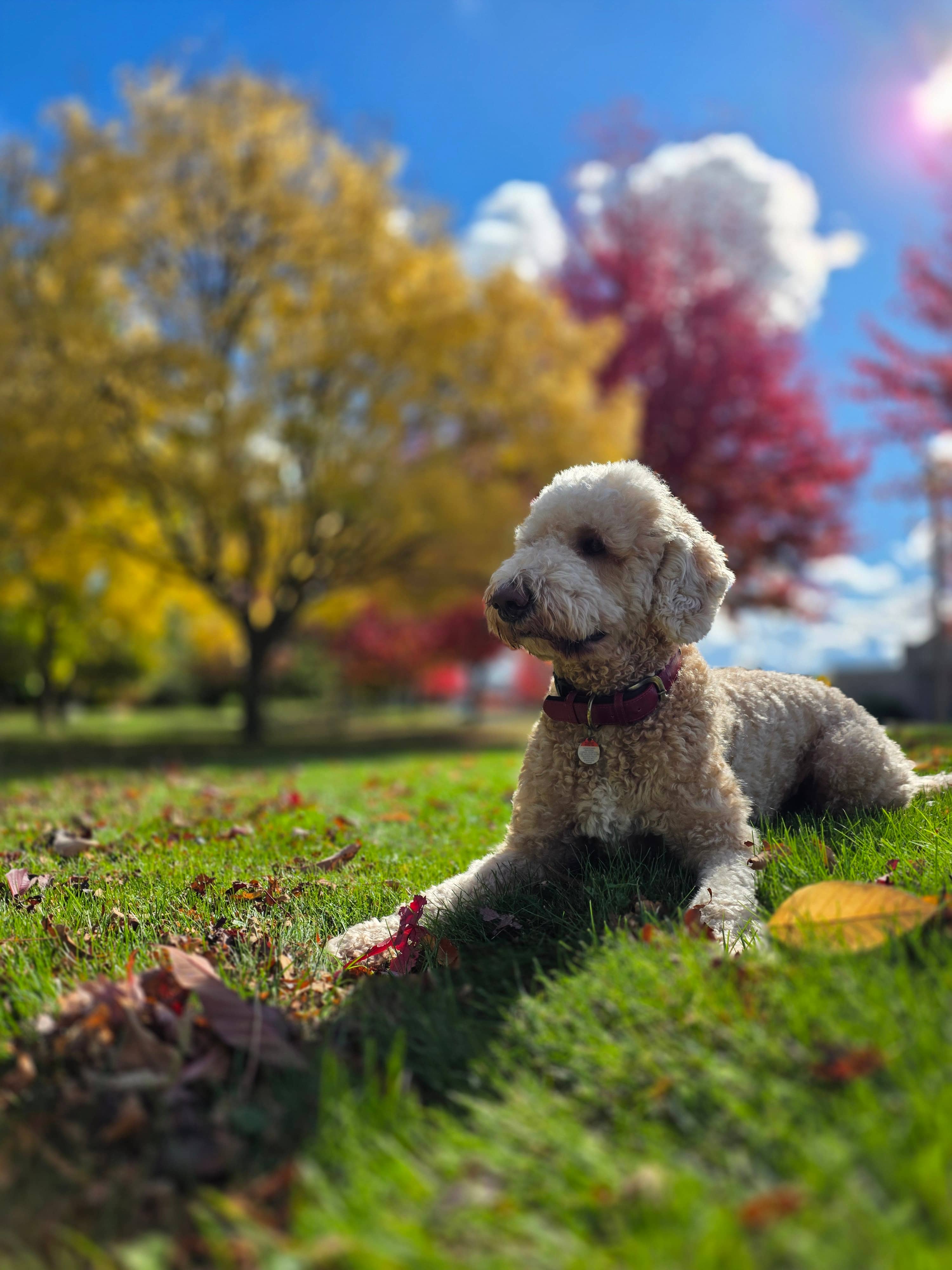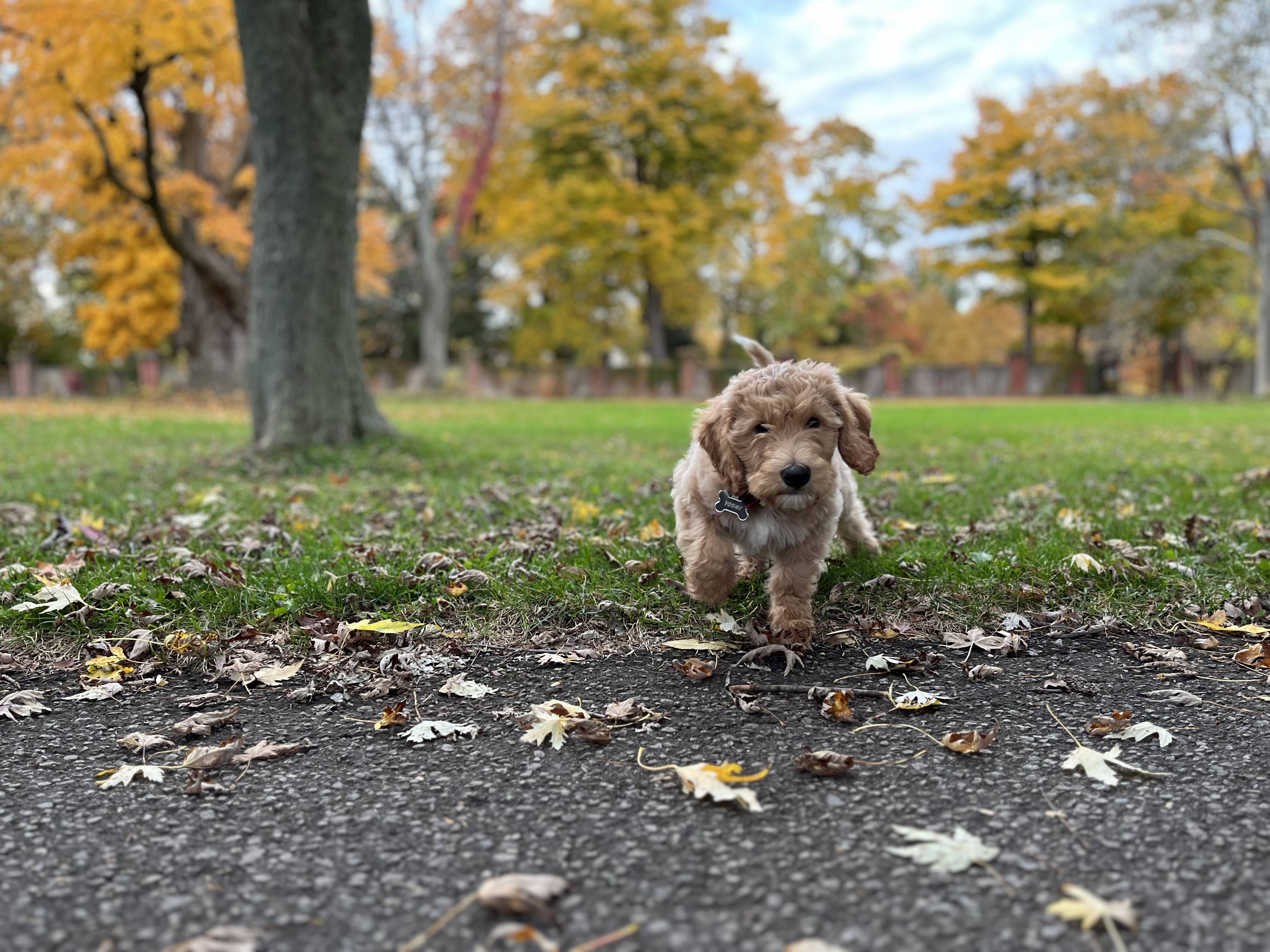
Most dog owners want their pets to feel safe and confident, yet certain everyday human habits can unintentionally create stress. Dogs interpret the world differently than we do, and small actions may feel overwhelming from their perspective. Understanding these common mistakes helps Canadian pet parents build calmer, more trusting relationships.
1. Leaning Over or Looming From Above
To humans, leaning in for a closer look or hug feels affectionate. To many dogs, however, a person bending directly over them can appear intimidating.
Dogs may interpret looming body language as pressure or threat. Signs of discomfort can include:
Turning the head away
Lip licking
Freezing
Backing up
Instead, approach at your dog’s level. Turn slightly sideways, avoid direct staring, and allow the dog to move toward you rather than forcing interaction.
2. Direct, Prolonged Eye Contact
In human communication, eye contact often signals connection. In dog communication, sustained direct eye contact can feel confrontational.
Some dogs may tolerate it from trusted family members, but many feel uneasy when strangers stare.
Teach children and guests to:
Blink naturally
Look softly rather than intensely
Allow the dog to initiate contact
Respecting canine social rules prevents unnecessary stress.
3. Sudden Loud Reactions
Laughter, raised voices, or quick movements may be normal in busy households, but they can startle sensitive dogs.
Common triggers include:
Shouting across the house
Sudden clapping
Slamming doors
Quick arm gestures
In Canadian homes during winter, indoor activity increases and noise may echo more strongly. Providing a quiet resting space gives your dog an escape from overstimulation.
Calm, predictable movements foster a sense of security.
4. Inconsistent Rules and Signals
Dogs rely on patterns. When expectations change frequently, uncertainty increases anxiety.
For example:
Allowing jumping one day but scolding it the next
Using different cues for the same command
Inconsistent feeding or walk schedules
Clear structure builds confidence. When routines are predictable, dogs can relax because they understand what comes next.
5. Forcing Social Interaction
Not every dog wants to greet every person or play with every dog. Forcing interaction can heighten nervousness.
Common scenarios include:
Pulling a dog toward strangers
Insisting on dog park visits despite visible stress
Allowing children to crowd or hug tightly
Watch for early stress signals such as stiff posture, yawning, or avoiding eye contact. Give your dog permission to step back.
In urban Canadian settings where sidewalks and elevators are shared, respecting your dog’s comfort zone is especially important.
How to Build Confidence Instead
Reducing accidental stress requires mindful adjustments.
Focus on:
Positive reinforcement training
Gradual exposure to new experiences
Rewarding calm behaviour
Maintaining predictable routines
When introducing new environments, such as snowy trails or busy summer festivals, start at a distance and progress slowly.
When Nervousness Becomes Anxiety
If your dog consistently shows signs such as trembling, excessive barking, withdrawal, or aggression, consult your veterinarian.
Physical discomfort, pain, or medical conditions can contribute to behavioural changes. A professional evaluation ensures you are addressing the root cause appropriately.
Final Thoughts
Dogs do not interpret human behaviour the same way we do. What feels friendly or normal to us may feel overwhelming to them.
For Canadian pet parents, small adjustments in body language, tone, and routine can make a significant difference. By observing carefully and responding thoughtfully, you create an environment where your dog feels safe, respected, and confident.