## Decoding Your Dog's Silent Communication
Dogs may not speak our language, but they are incredibly expressive communicators. Every tail wag, ear position, and body posture carries meaning. As a dog owner, learning to read these subtle cues can transform your relationship with your pet and help you respond to their needs more effectively. Understanding body language isn't just a nice-to-have skill — it's essential for ensuring your dog's emotional well-being and preventing misunderstandings that could lead to anxiety or behavioral issues.
## Tail Wags Don't Always Mean Happiness
One of the most common misconceptions about dogs is that a wagging tail always indicates happiness. In reality, the speed, direction, and height of a tail wag communicate different emotions. A broad, sweeping wag at mid-height typically signals friendliness and excitement, while a slow wag with the tail held high can indicate alertness or even dominance. A low, tucked tail with a tentative wag often means your dog is feeling insecure or submissive. By paying attention to these nuances, you can better understand your dog's emotional state in any given moment.
## Reading Ears, Eyes, and Posture
Beyond the tail, look at your dog's ears, eyes, and overall body posture for cues. Ears pinned flat against the head often signal fear or anxiety, while erect, forward-facing ears suggest curiosity or alertness. Soft, relaxed eyes indicate contentment, whereas hard, staring eyes can be a warning sign of aggression. A dog that leans into you is showing trust and affection, while a dog that cowers, turns away, or shows the whites of their eyes (known as "whale eye") may be feeling threatened and needs space.
## Putting It All Together for Better Communication
The key to reading dog body language is to look at the whole picture rather than focusing on a single signal. Consider the context, the environment, and all the physical cues together. A play bow (front legs stretched out, rear end up) combined with a wagging tail and relaxed face is a clear invitation to play. Conversely, a stiff body, raised hackles, and a fixed stare warrant caution. The more you practice observing your dog, the better you'll become at understanding their unique personality and communication style — strengthening the bond between you and your best friend.

Keep Reading
View Journal More Stories
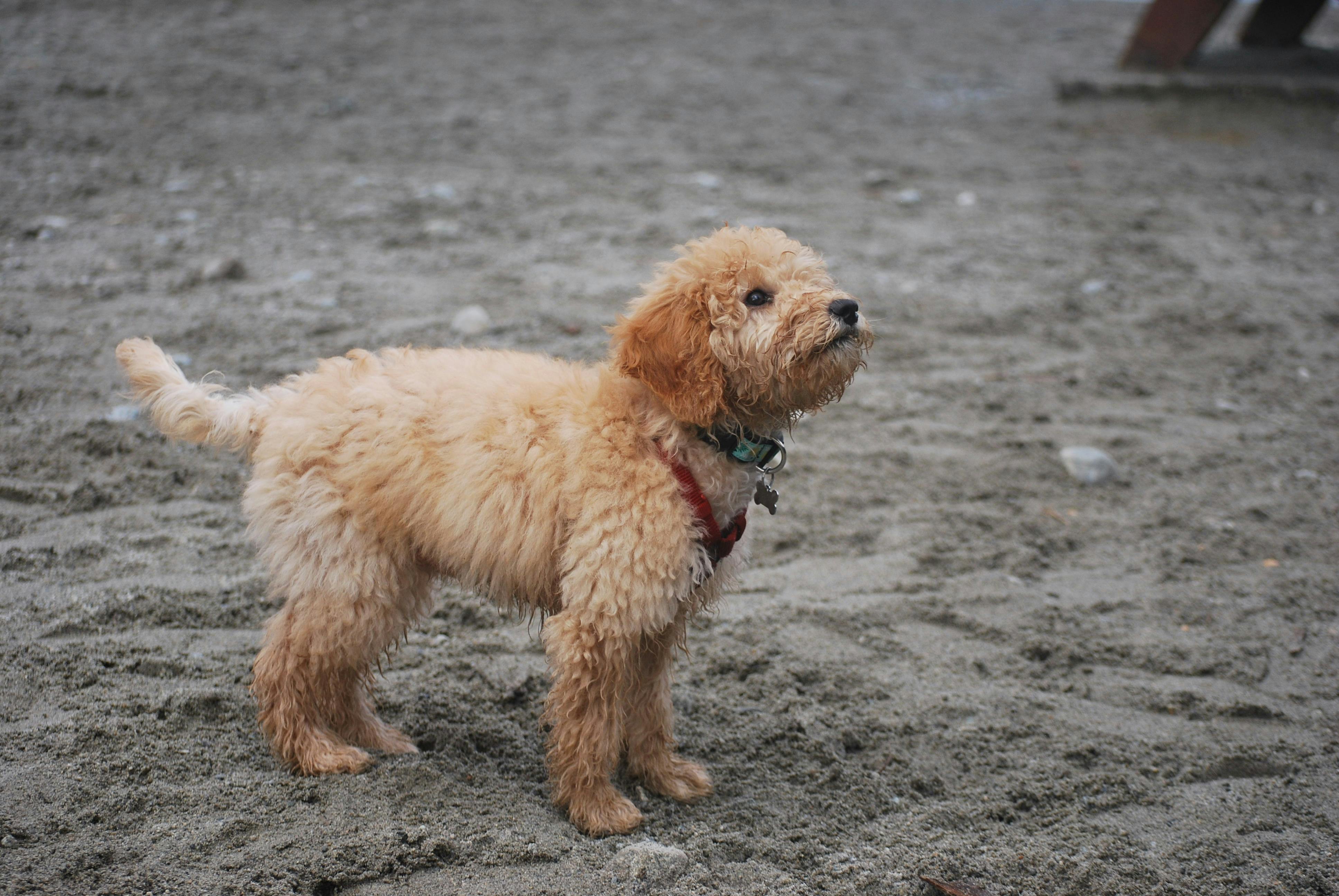 Dog Care
Why Choose Stayadoodle: A Canadian Owned Community for Dog Care
Discover why Stayadoodle is Canada's preferred choice for dog care, offering a community-focused platform built on trust and local expertise.
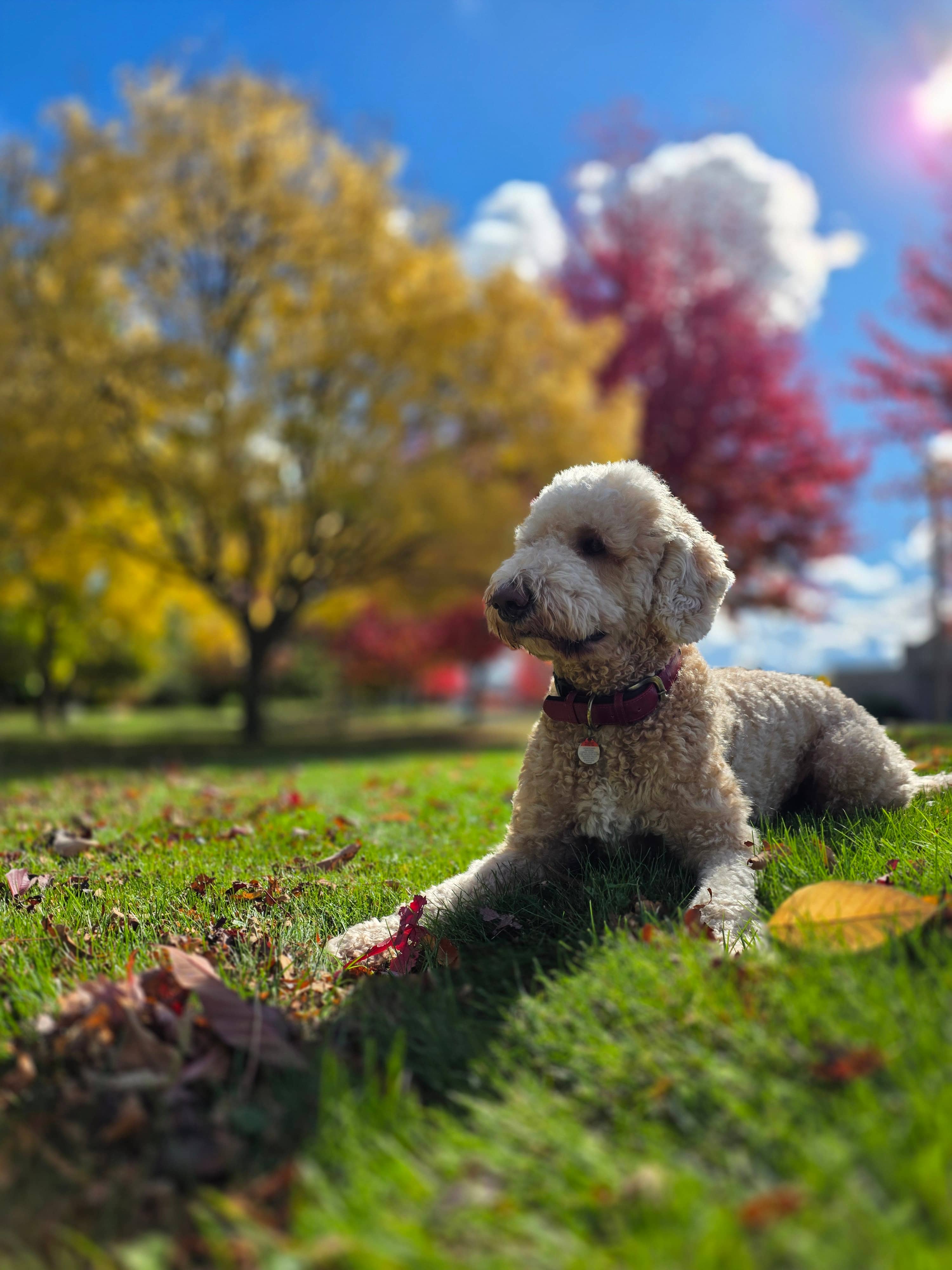 Canadian Pet Parents
It Started With Yoshi: Why We’re Building a Community Dog Care App
Inspired by one social Goldendoodle, Stayadoodle reimagines dog care as community. A membership app helping local dog parents connect and build trust before care begins.
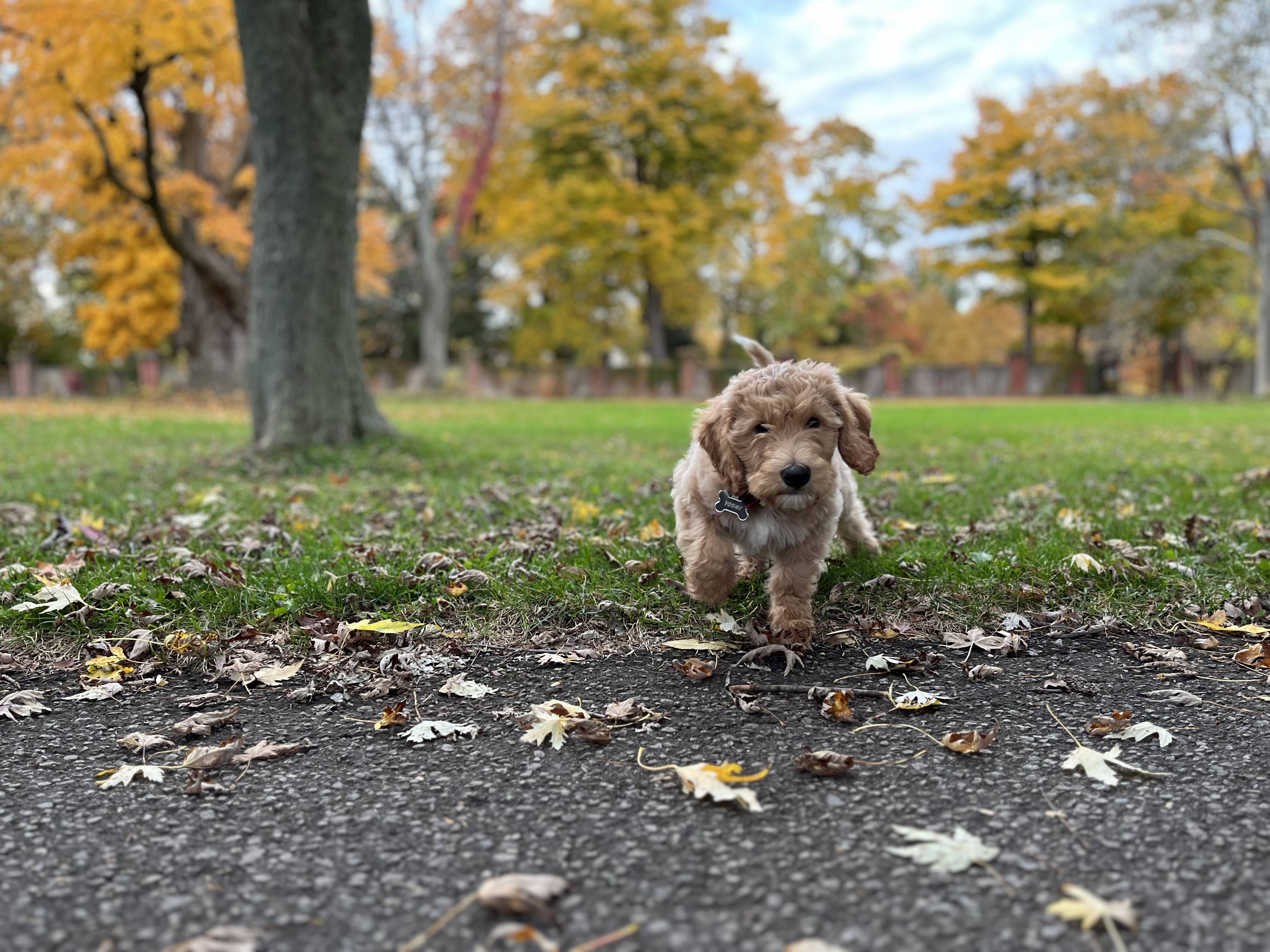 Canadian Pet Parents
What Is Stayadoodle? What You Need to Know
Stayadoodle is a community connector for dog owners and dog lovers. Built around trust and shared responsibility, it helps neighbours find each other so dogs can spend time together instead of staying home alone.