It is a common observation.
Someone walking a dog often gets more smiles. More conversations. More eye contact.
But is that coincidence, or psychology?
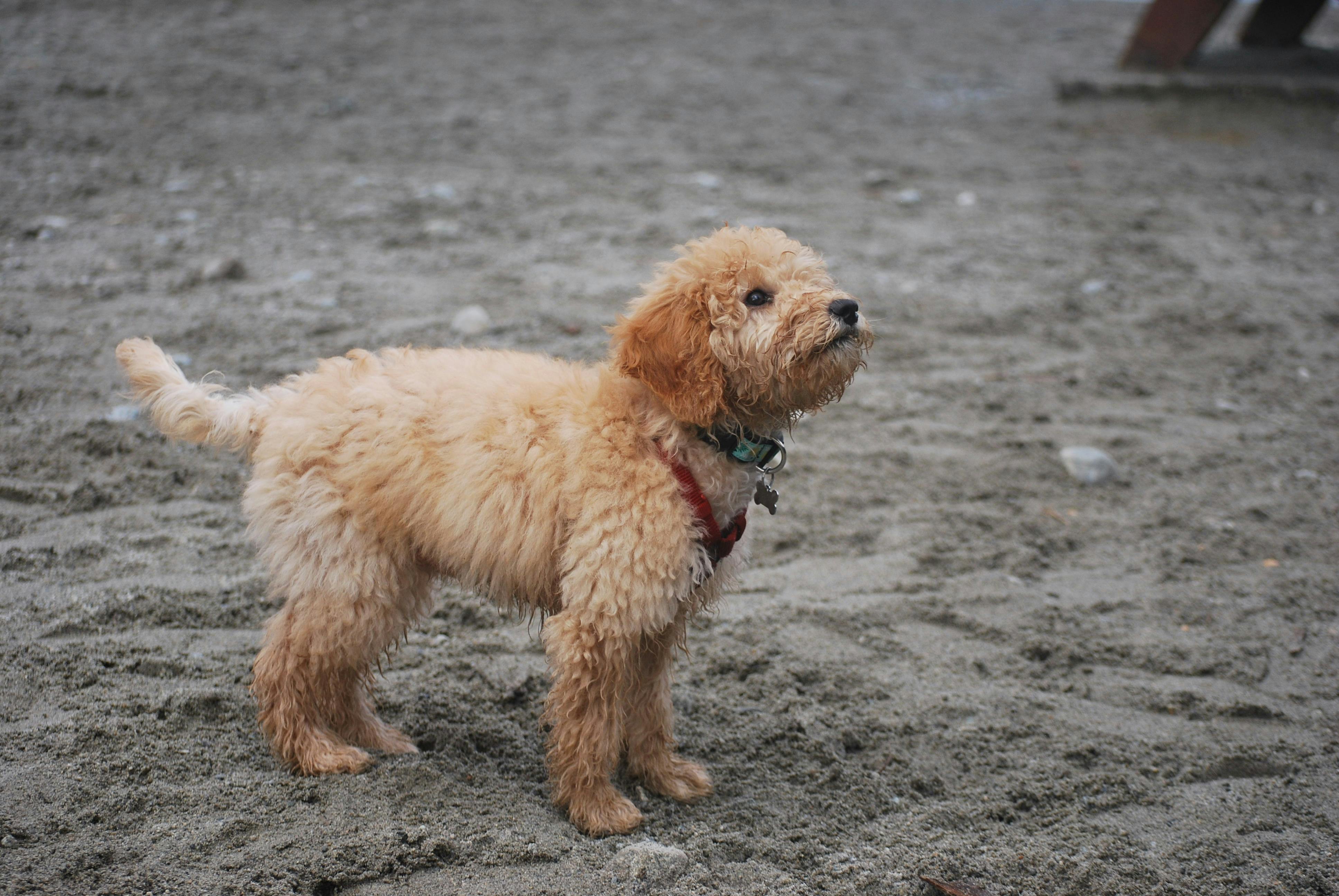
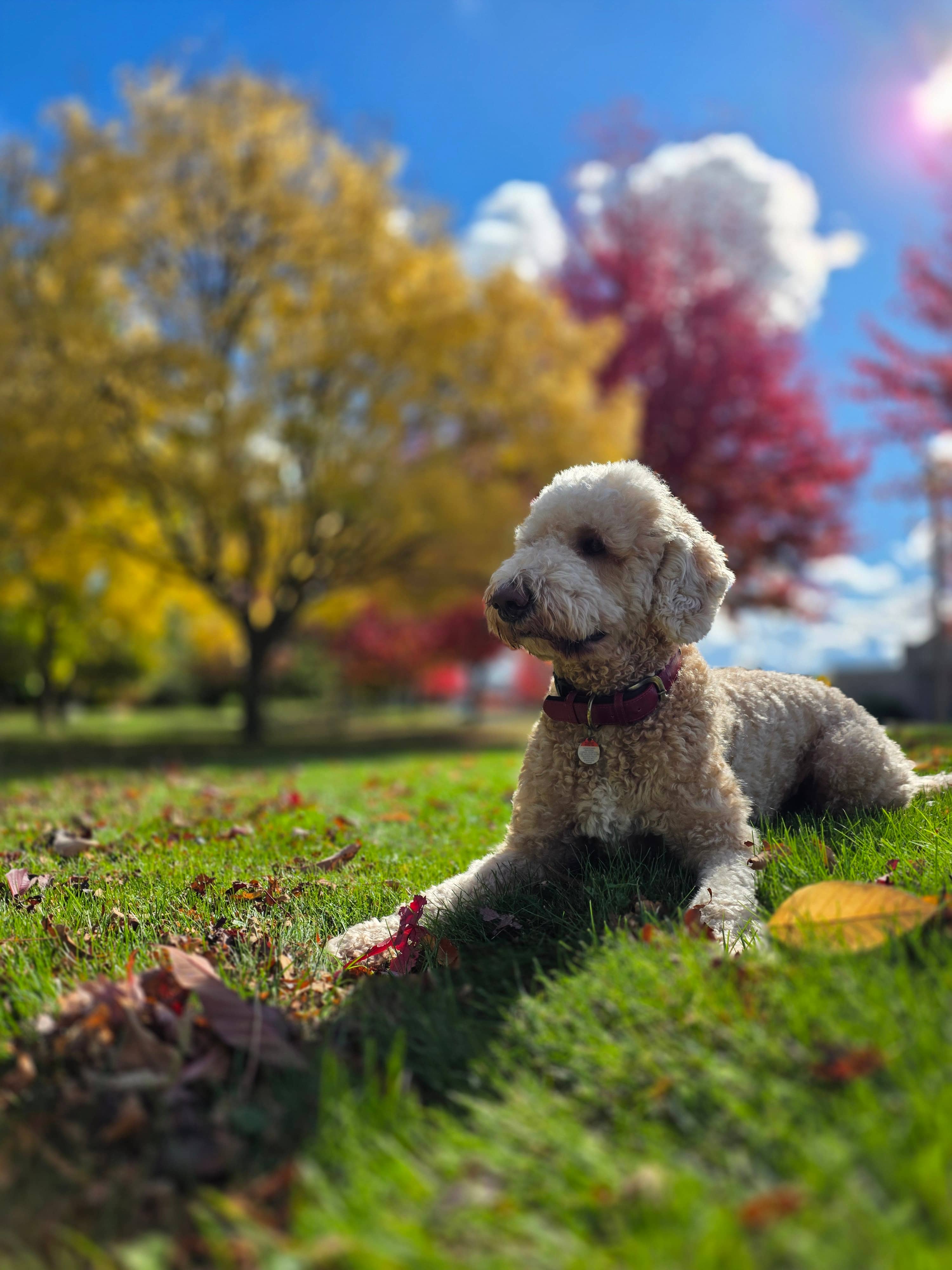
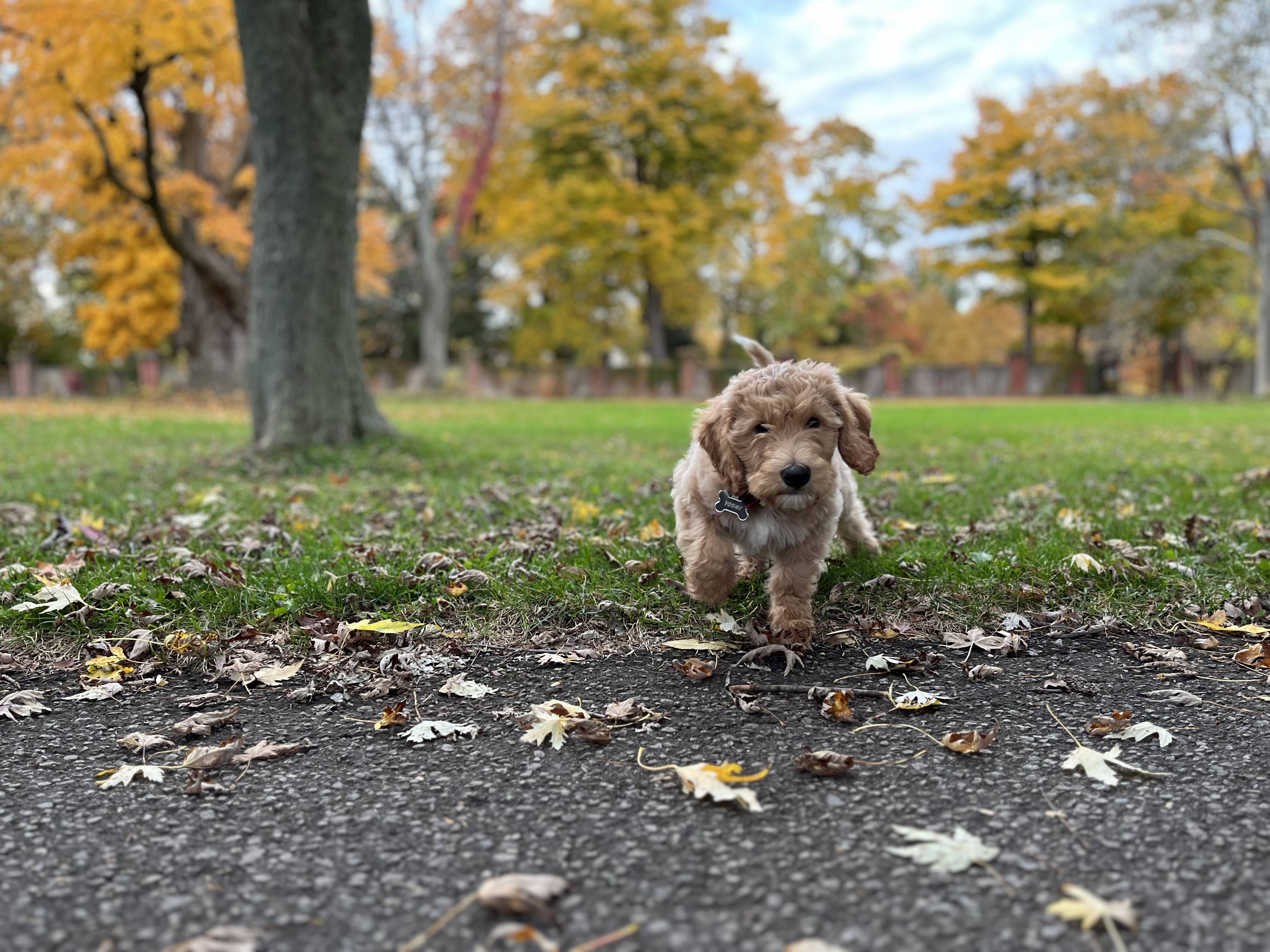
Research suggests that dogs do influence how we are perceived. The so called “puppy effect” is not just social media folklore. There is real behavioural science behind it.
Dogs as Social Signals
In psychology, humans constantly assess others for:
Trustworthiness
Warmth
Responsibility
Social competence
Owning a dog can signal many of these traits instantly.
A dog requires:
Time
Financial commitment
Emotional investment
Routine
When someone cares for a dog well, observers may subconsciously interpret that as responsibility and nurturing behaviour.
Those traits are often associated with attractiveness in long term partnership contexts.
Dogs Increase Approachability
Multiple studies have shown that people accompanied by a dog are more likely to be approached in public settings.
Dogs function as social bridges.
They provide:
A natural conversation starter
A shared topic
A lower pressure interaction
In Canadian cities and neighbourhoods, dog parks, hiking trails, and local walks often create organic social interactions that would not happen otherwise.
The Trust Factor
Trust is a key component of attraction.
Seeing someone interact kindly with an animal may trigger perceptions of:
Empathy
Patience
Emotional intelligence
These qualities often rank high in surveys about desirable partner traits.
Dogs can act as a behavioural demonstration of those qualities.
The Caregiver Effect
Caring for a dependent being can enhance perceived maturity.
Observers may think:
This person is dependable
They maintain structure
They can commit
However, this effect depends heavily on how the dog is treated. Responsible behaviour enhances perception. Neglectful or chaotic behaviour has the opposite impact.
Physical Activity and Lifestyle Perception
Dog ownership often implies an active lifestyle.
Regular walks, outdoor time, and routine exercise suggest:
Health consciousness
Energy
Stability
In Canada, where outdoor culture is strong, being seen hiking or walking a dog reinforces an image of balanced living.
Is It Universal?
The puppy effect is not automatic.
Attractiveness remains subjective.
For some individuals, pet ownership is highly appealing. For others, allergies, lifestyle preferences, or personal boundaries may reduce appeal.
Context matters.
Additionally, owning a dog does not replace personality, kindness, or compatibility.
It may enhance perception, but it does not create it.
Gender Differences in Perception
Some studies suggest that:
Men with dogs are often perceived as more nurturing
Women with dogs may be seen as warm and socially connected
However, attraction is multifaceted and culturally influenced.
The key factor is authentic interaction with the dog.
Forced or performative behaviour is often noticeable.
The Emotional Layer
Dogs also influence emotional tone.
Being around dogs often lowers stress and increases positive mood. A relaxed, smiling person interacting naturally with a dog may simply appear more confident and open.
Sometimes the effect is indirect.
The dog improves your mood, and that mood enhances attractiveness.
The Real Takeaway
Owning a dog does not magically make someone attractive.
But it can highlight qualities many people value:
Responsibility
Empathy
Stability
Warmth
More importantly, dogs foster community. They create shared experiences. They encourage conversation.
Attraction often grows from connection.
Final Thoughts
The puppy effect is partly psychology, partly lifestyle, and partly emotional energy.
A dog may open the door to conversation. It may signal nurturing traits. It may soften first impressions.
But authenticity matters most.
If you love your dog and care for them responsibly, that sincerity will show.
And sometimes, that quiet warmth is what people find most attractive of all.