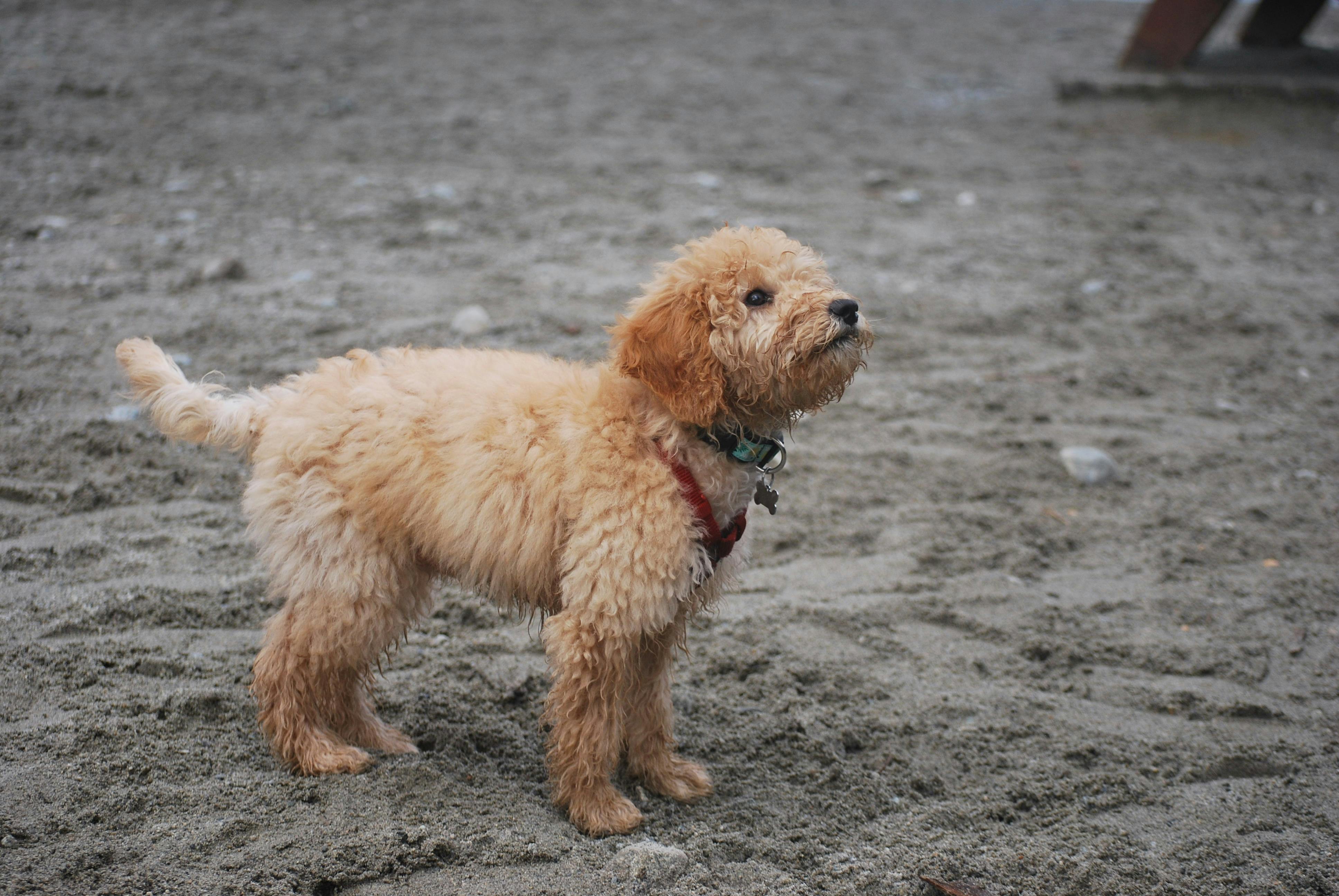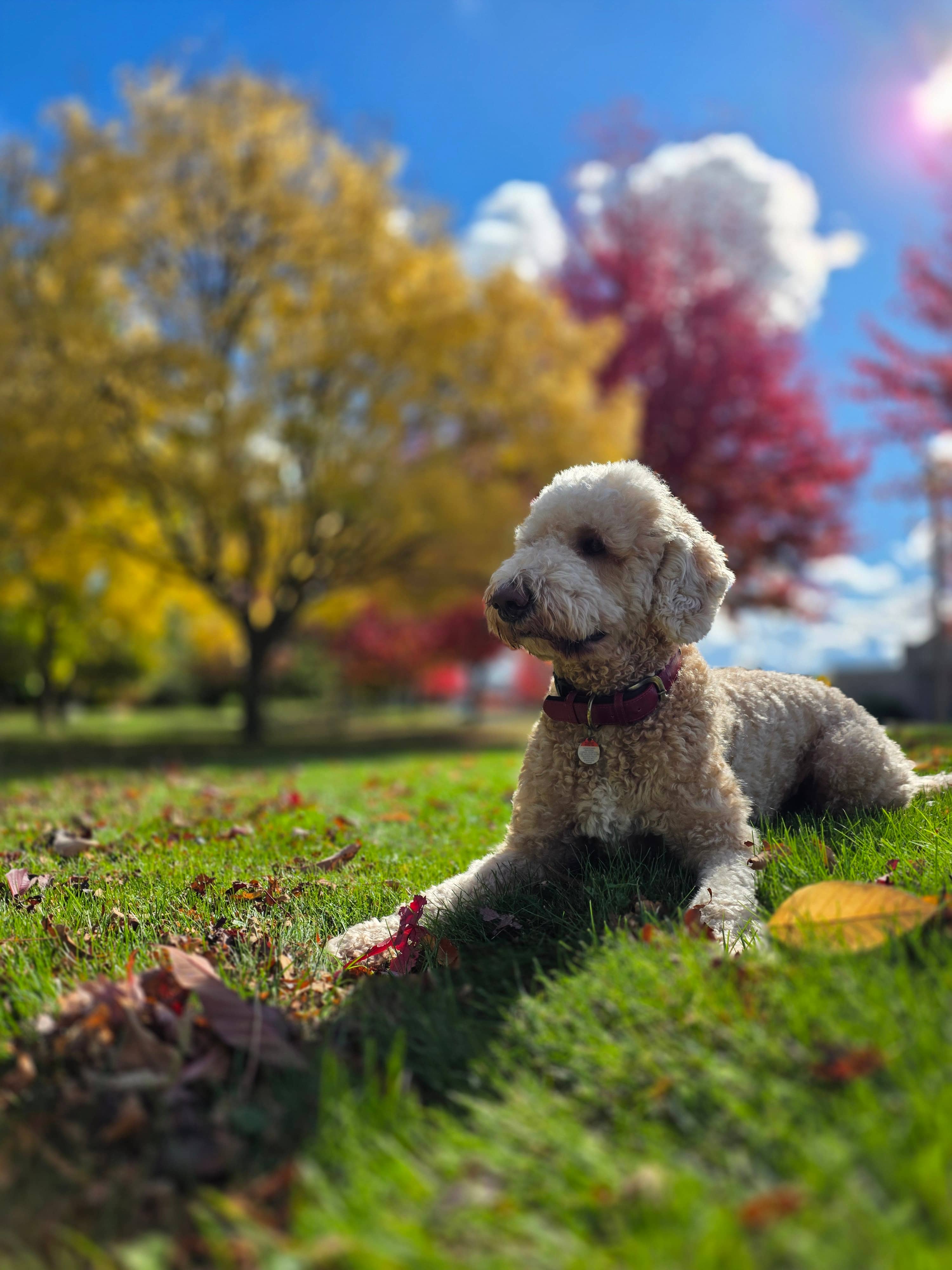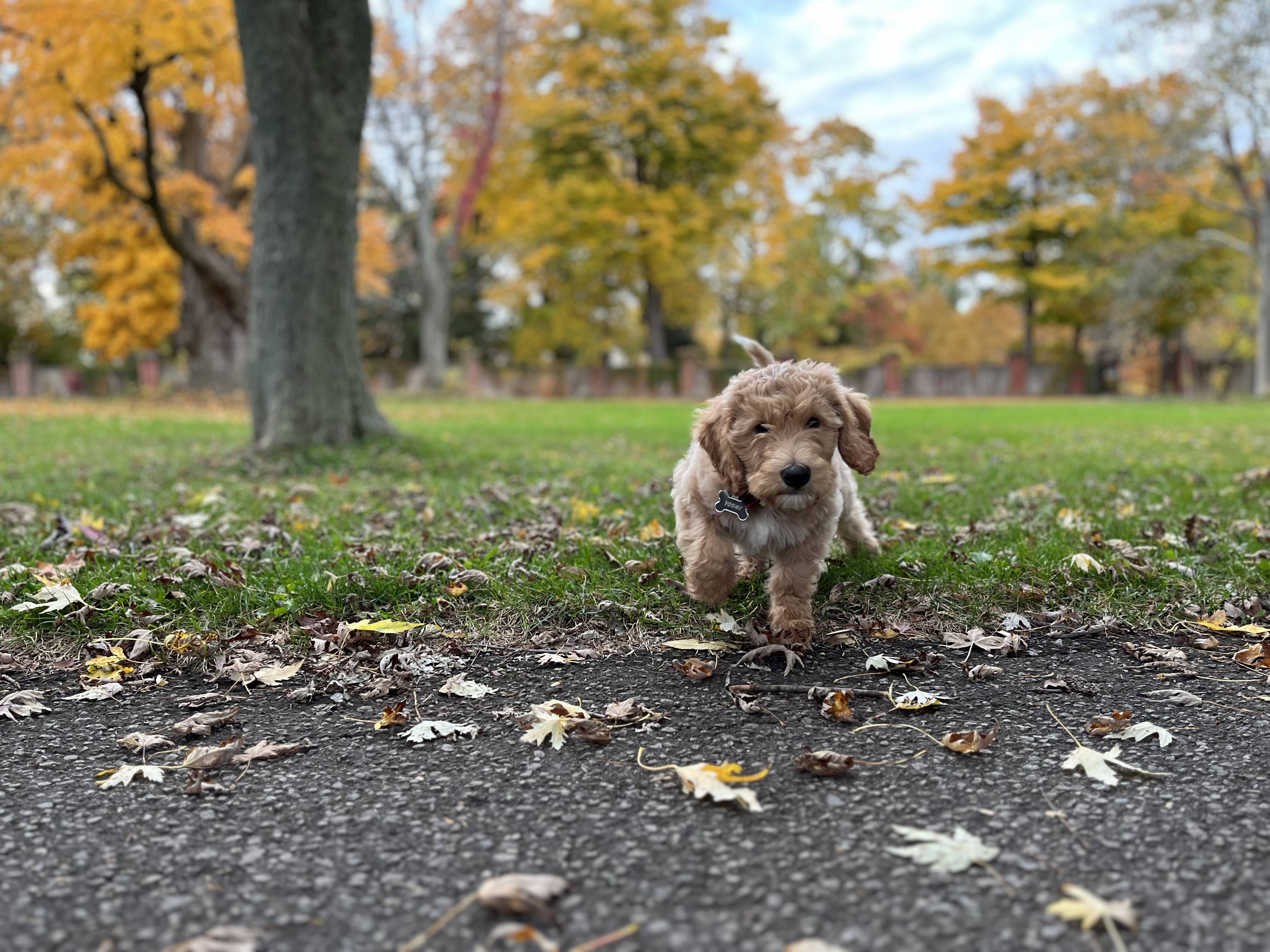
If you’ve ever called your dog and watched them stare back as if considering whether you’re worth listening to, you may be living with a strong willed breed.
Stubborn does not mean unintelligent.
In fact, many so called stubborn dogs are highly intelligent. They simply think independently.
Understanding the difference changes everything.
What “Stubborn” Really Means
In dog behaviour terms, stubborn often translates to:
Independent decision making
Lower desire to please
Strong prey drive or instinct
Selective listening
Some breeds were developed to work without constant human direction. That independence still exists today.
These dogs are not refusing to learn. They are evaluating whether compliance benefits them.
1. Siberian Husky
Huskies are famous for their intelligence and independence.
Bred to pull sleds over long distances, they were expected to make decisions on their own. This independence often shows up as:
Ignoring recall
Escaping yards
Testing boundaries
Training requires consistency and patience. Harsh methods often backfire.
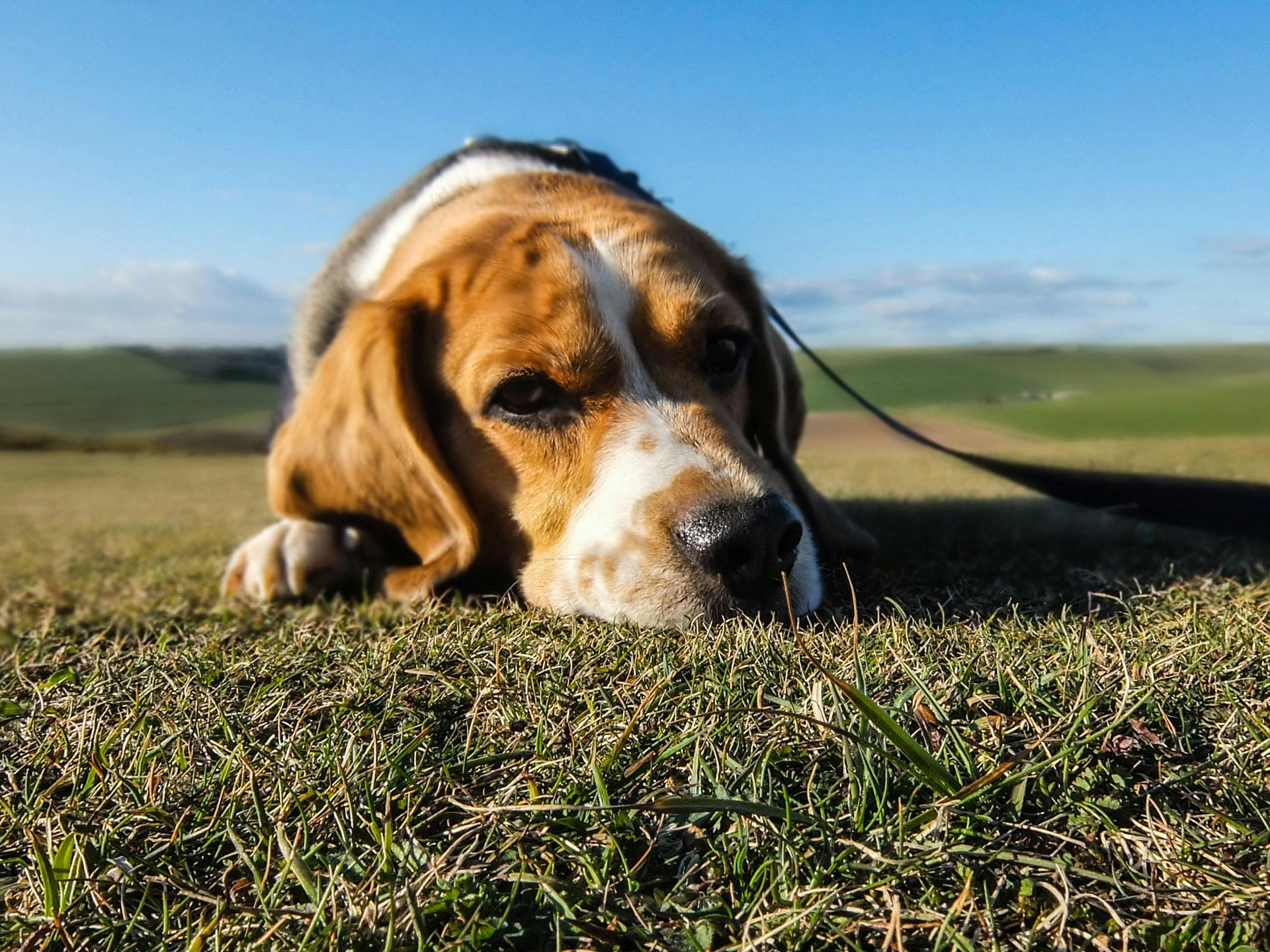
2. Beagle
Beagles are scent driven hounds.
Once they lock onto a scent, everything else fades away. Their instinctive intelligence can override obedience commands.
They require structured recall training and secure outdoor spaces.
3. Bulldog
Bulldogs are affectionate but can be strong minded.
They may:
Refuse commands they see no purpose in
Move at their own pace
Resist repetition
Short, positive training sessions work best.
4. Dachshund
Originally bred to hunt badgers, Dachshunds are fearless and determined.
They are clever but often question authority. Consistent, reward based training builds cooperation.
5. Afghan Hound
Afghan Hounds are elegant and independent.
They were bred for hunting in harsh terrain with minimal guidance. As companions, they can appear aloof or selective in obedience.
6. Shiba Inu
Shiba Inus are intelligent and self assured.
They often:
Decide when to respond
Dislike repetitive drills
Require early socialization
They thrive with clear structure and confident leadership.
7. Chow Chow
Chow Chows are loyal but reserved.
They bond strongly with family but may resist training if trust is not established.
Relationship building comes before obedience.
Intelligence vs Compliance
Many of these breeds rank high in adaptive intelligence. They solve problems well but may not respond immediately to commands.
Compliance driven breeds like Border Collies or Golden Retrievers often appear “smarter” because they respond quickly.
Independent breeds simply operate differently.
Training Strong-Willed Dogs
The key to training stubborn breeds is strategy, not force.
1. Use High Value Rewards
Motivation matters. Find what your dog values most.
2. Keep Sessions Short
Five to ten minutes prevents boredom.
3. Be Consistent
Rules must remain predictable.
4. Avoid Repetition Fatigue
Intelligent dogs disengage if drills feel pointless.
5. Build a Relationship First
Trust increases cooperation.
A Canadian Consideration
Certain stubborn breeds thrive in active Canadian environments.
Huskies, for example, are well suited to colder climates. However, their independence requires secure fencing and strong recall training.
Long winters may increase restlessness in strong willed breeds if mental stimulation is lacking.
Enrichment is essential.
Are Stubborn Dogs Right for You?
Strong willed breeds often suit:
Experienced owners
Active households
People who enjoy training challenges
They may not be ideal for first time dog owners seeking immediate compliance.
But with patience, they form deeply loyal bonds.
Final Thoughts
Stubborn is often misunderstood.
These dogs are not being difficult. They are thinking.
When guided with structure, patience, and consistency, strong willed breeds can become confident, capable companions.
The key is shifting your mindset from control to partnership.
Because sometimes the most independent dogs are also the most rewarding to earn trust from.