## Recognizing the Signs of Separation Anxiety
Separation anxiety is one of the most common behavioral issues in dogs, affecting an estimated 20-40% of dogs seen by veterinary behaviorists. The signs can range from mild to severe and include excessive barking or howling when left alone, destructive behavior (such as chewing furniture or scratching doors), house soiling despite being fully trained, pacing, drooling, and in extreme cases, attempts to escape that can result in self-injury. If your dog exhibits these behaviors consistently when you're away but is otherwise calm and well-behaved in your presence, separation anxiety is likely the cause.
## Understanding What Causes Separation Anxiety
Separation anxiety can develop for a variety of reasons. Dogs who have been rehomed, abandoned, or spent time in shelters are particularly susceptible, as are dogs who have experienced a sudden change in routine — such as a family member moving out, a change in work schedule, or a recent move to a new home. Some breeds are also more predisposed to separation anxiety than others. Importantly, separation anxiety is not a sign of disobedience or spite; it's a genuine stress response that requires patience and compassion rather than punishment.
## Proven Strategies to Reduce Separation Anxiety
The good news is that separation anxiety can be managed and, in many cases, significantly reduced with the right approach. Start with gradual desensitization: practice leaving your dog alone for very short periods and slowly increase the duration over weeks. Create positive associations with your departure by offering a special treat or puzzle toy that your dog only gets when you leave. Avoid making a big fuss when coming or going — keep arrivals and departures calm and low-key. For moderate to severe cases, consult with your veterinarian or a certified animal behaviorist who may recommend additional interventions.
## How Professional Pet Sitters Can Help
One of the most effective solutions for dogs with separation anxiety is ensuring they're never left completely alone for extended periods. This is where professional pet sitters become invaluable. A trusted sitter from Stayadoodle can provide companionship, exercise, and reassurance during the times you can't be there. Whether it's a midday check-in visit or full-day care, having a familiar, caring person present can dramatically reduce your dog's stress levels and help them build confidence over time. Because every dog deserves to feel safe — even when their favorite person isn't home.

Keep Reading
View Journal More Stories
 Dog Care
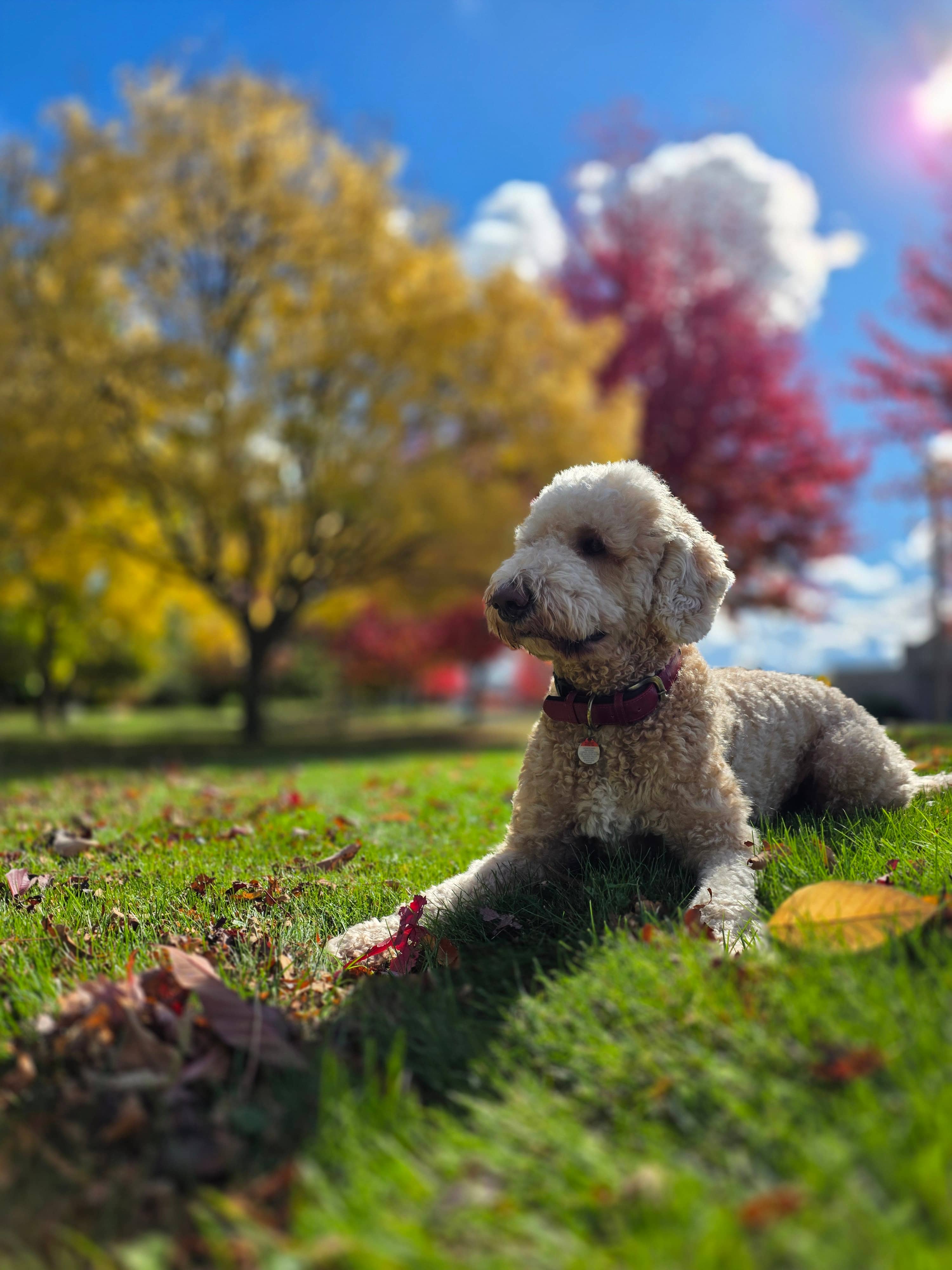
Why Choose Stayadoodle: A Canadian Owned Community for Dog Care
Discover why Stayadoodle is Canada's preferred choice for dog care, offering a community-focused platform built on trust and local expertise.
 Canadian Pet Parents
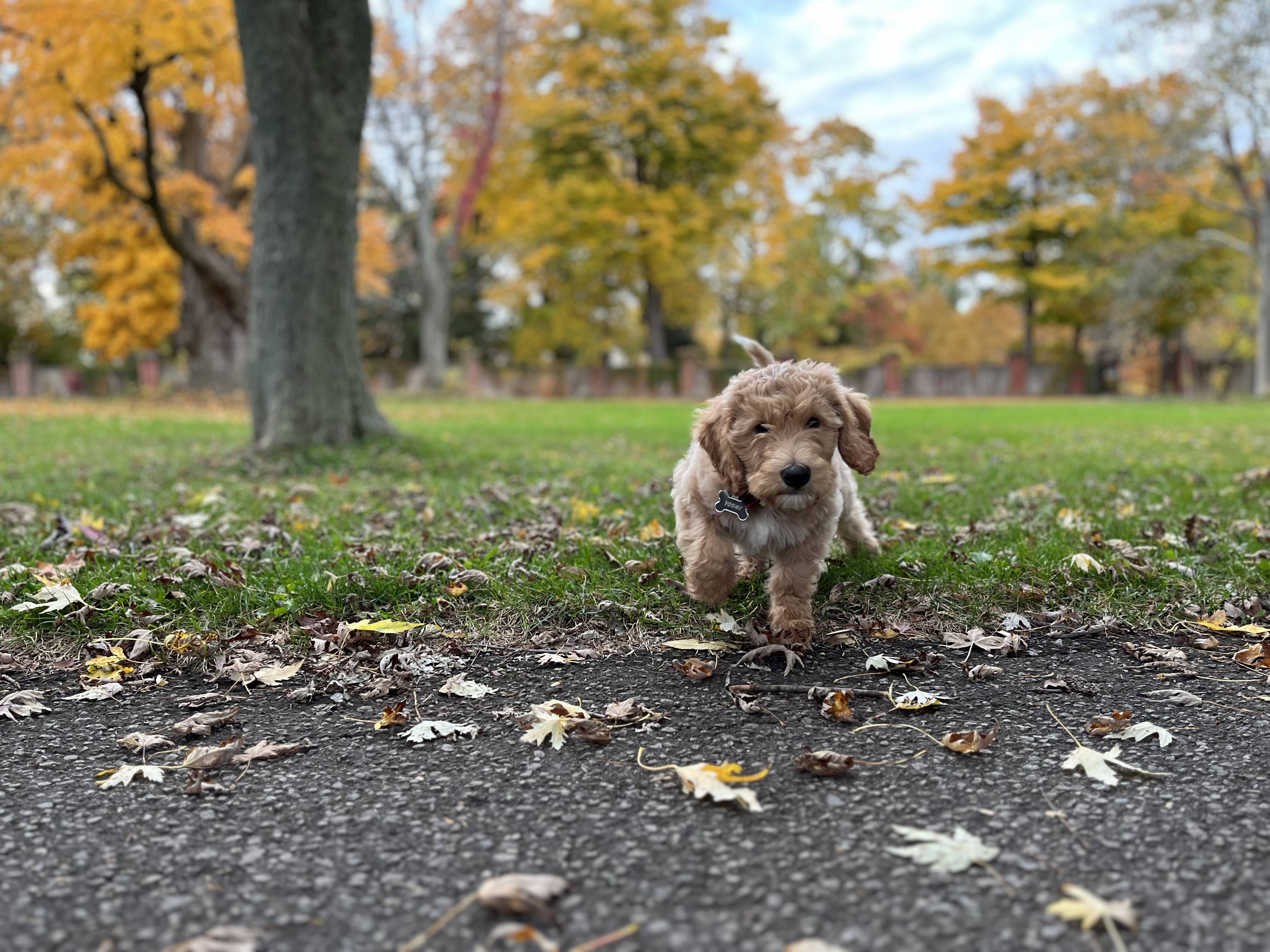
It Started With Yoshi: Why We’re Building a Community Dog Care App
Inspired by one social Goldendoodle, Stayadoodle reimagines dog care as community. A membership app helping local dog parents connect and build trust before care begins.
 Canadian Pet Parents
What Is Stayadoodle? What You Need to Know
Stayadoodle is a community connector for dog owners and dog lovers. Built around trust and shared responsibility, it helps neighbours find each other so dogs can spend time together instead of staying home alone.