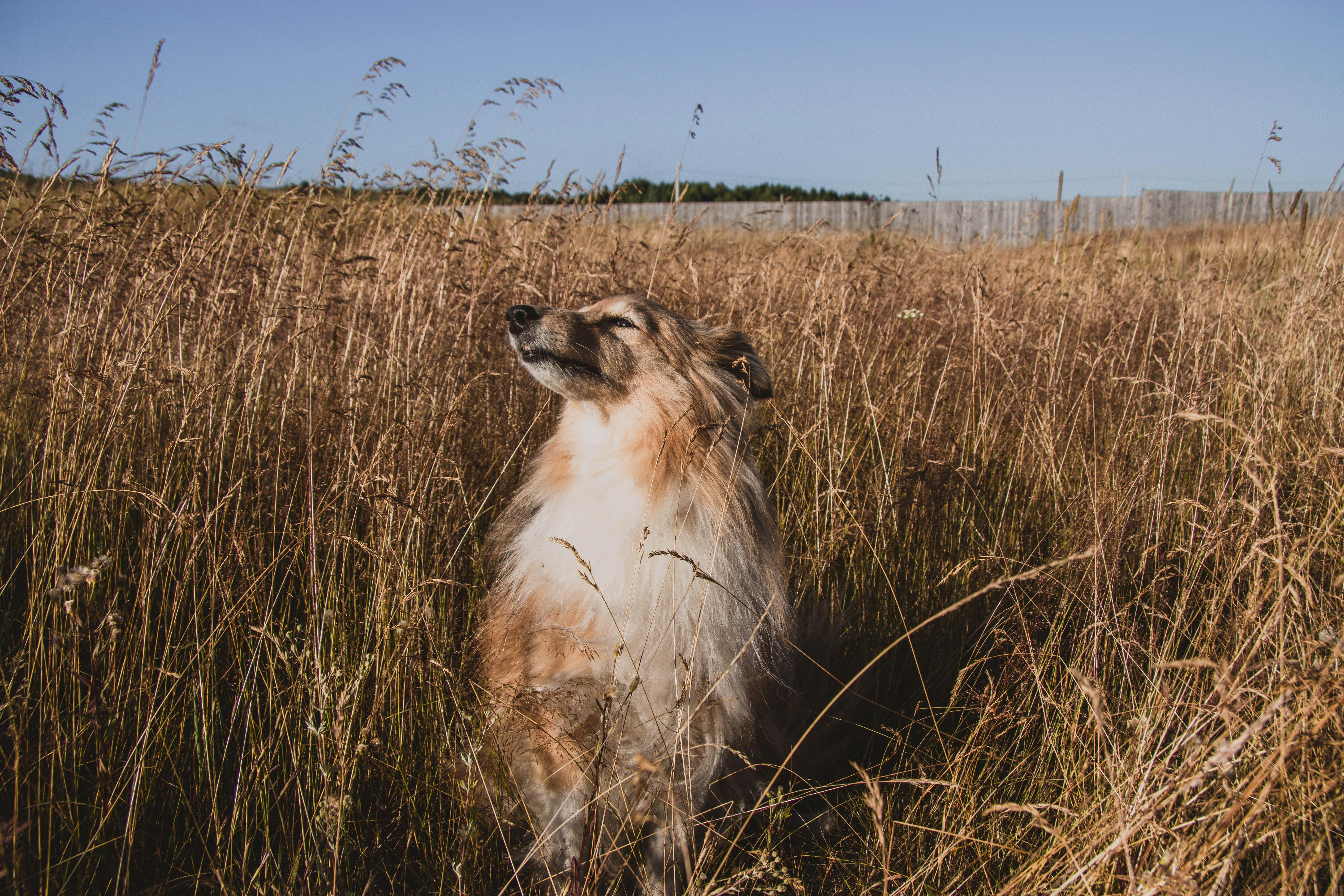
Barking is normal.
It’s how dogs communicate excitement, alertness, boredom, anxiety, and even loneliness. The goal is not to eliminate barking entirely. The goal is to manage excessive barking in a way that respects your dog’s needs while protecting your home and neighbourhood peace.
First, you need to understand why your dog is barking.
Step One: Identify the Trigger
Dogs bark for different reasons. Each requires a different response.
Common causes include:
Alert barking at doorbells or passersby
Boredom barking during long alone periods
Attention seeking barking
Separation anxiety
Territorial behaviour
Fear or stress
If you address the symptom without understanding the trigger, the barking often continues.
Doorbell Drama
Many dogs explode into barking the moment the doorbell rings.
Why? Because it’s unpredictable and stimulating.
To reduce this:
Practice desensitization. Play a doorbell sound at low volume and reward calm behaviour.
Teach a “place” command so your dog learns to go to a mat when the bell rings.
Reward silence, not barking.
Consistency matters more than volume correction.
Boredom Barking
In Canada, long winters can mean more indoor time and less stimulation.
A bored dog may bark simply because they have excess energy.
Solutions include:
Puzzle feeders
Rotating toys
Structured training sessions
Scent games
Short but focused walks
Mental stimulation often reduces barking more effectively than physical exercise alone.
Attention Seeking Barking
If your dog barks and you respond immediately, they learn that barking works.
Instead:
Wait for a brief pause in barking
Reward the silence
Avoid yelling, which may sound like participation
Dogs repeat behaviours that produce results.
Separation Based Barking
If barking occurs primarily when you leave, separation anxiety may be involved.
Signs include:
Destruction
Pacing
Excessive drooling
Accidents
In this case, training independence gradually is essential. Long sudden absences can worsen the issue.
Consider professional guidance if anxiety is severe.
Fear Based Barking
Some dogs bark out of insecurity.
Common triggers include:
Strangers
Other dogs
Unfamiliar noises
Punishing fearful barking can intensify anxiety.
Instead:
Create distance from triggers
Reward calm behaviour
Use gradual exposure
Confidence grows through positive experience.
The “Quiet” Command
Teaching a quiet cue can be effective when done correctly.
Allow one or two barks.
Say “quiet” calmly.
Wait for silence.
Immediately reward.
Timing is critical. You are rewarding the pause, not the bark.
What Not to Do
Avoid:
Yelling
Shock collars
Physical punishment
Spraying with water
These methods may stop barking temporarily but often increase stress long term.
A stressed dog may bark more, not less.
Environmental Management
Sometimes prevention is easier than correction.
Use privacy film on windows
Limit exposure to high traffic views
Create a calm resting space away from stimulation
Reducing triggers lowers reaction frequency.
Canadian Community Considerations
In dense urban areas like Toronto or Vancouver, excessive barking can strain neighbour relationships.
Early intervention protects both your dog’s reputation and community harmony.
In colder provinces, increased indoor confinement during winter often leads to higher barking frequency. Structured daily routines become even more important.
When to Seek Professional Help
If barking:
Is constant
Escalates quickly
Includes aggression
Is paired with anxiety
consult a certified trainer or veterinary behaviourist.
Early support prevents long term habits.
Final Thoughts
Barking is communication.
Instead of asking how to stop it entirely, ask what your dog is trying to say.
Once you understand the reason, solutions become clearer.
With patience, consistency, and empathy, most excessive barking can be reduced significantly.
Because a calm dog is not created through fear.
It is created through understanding.