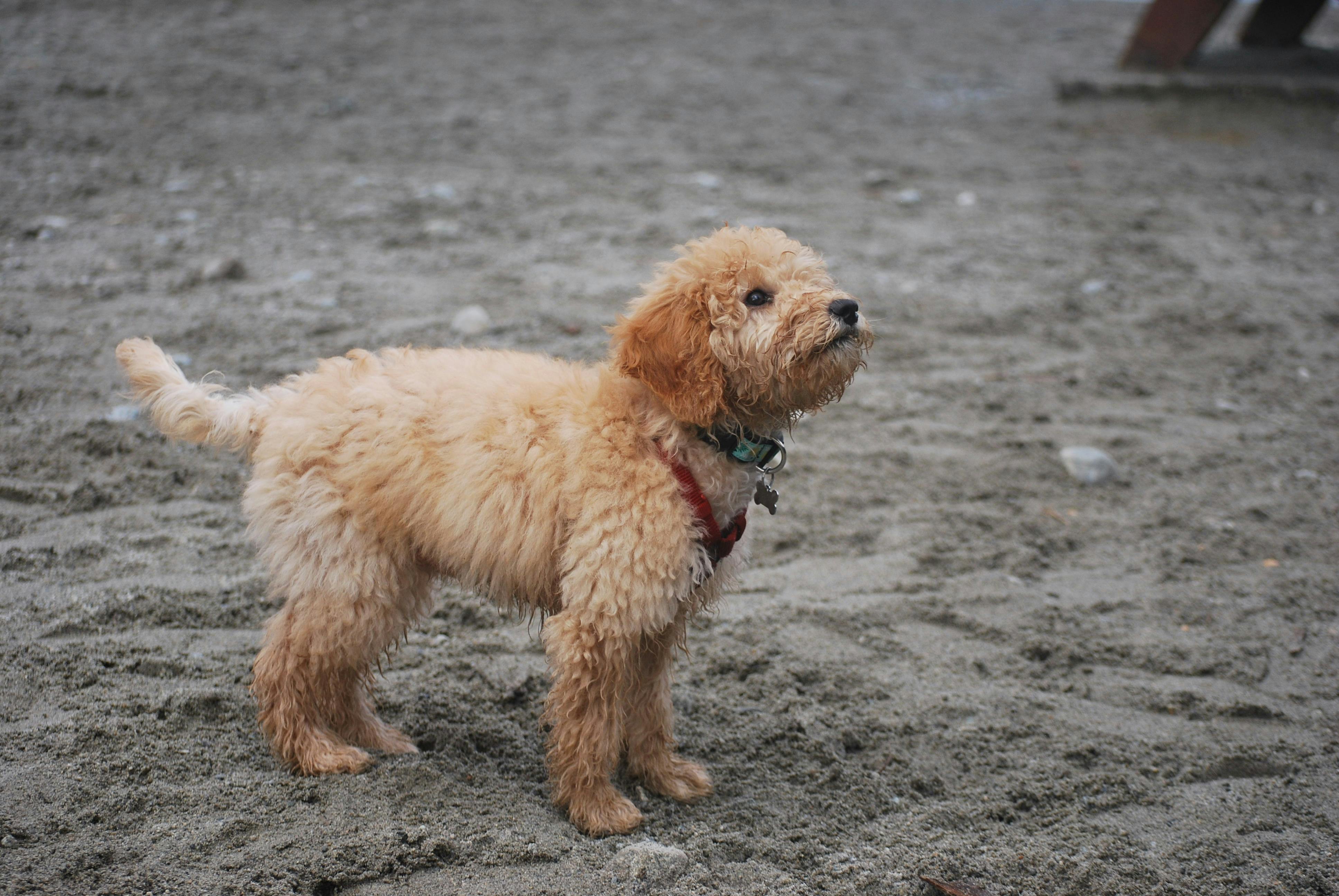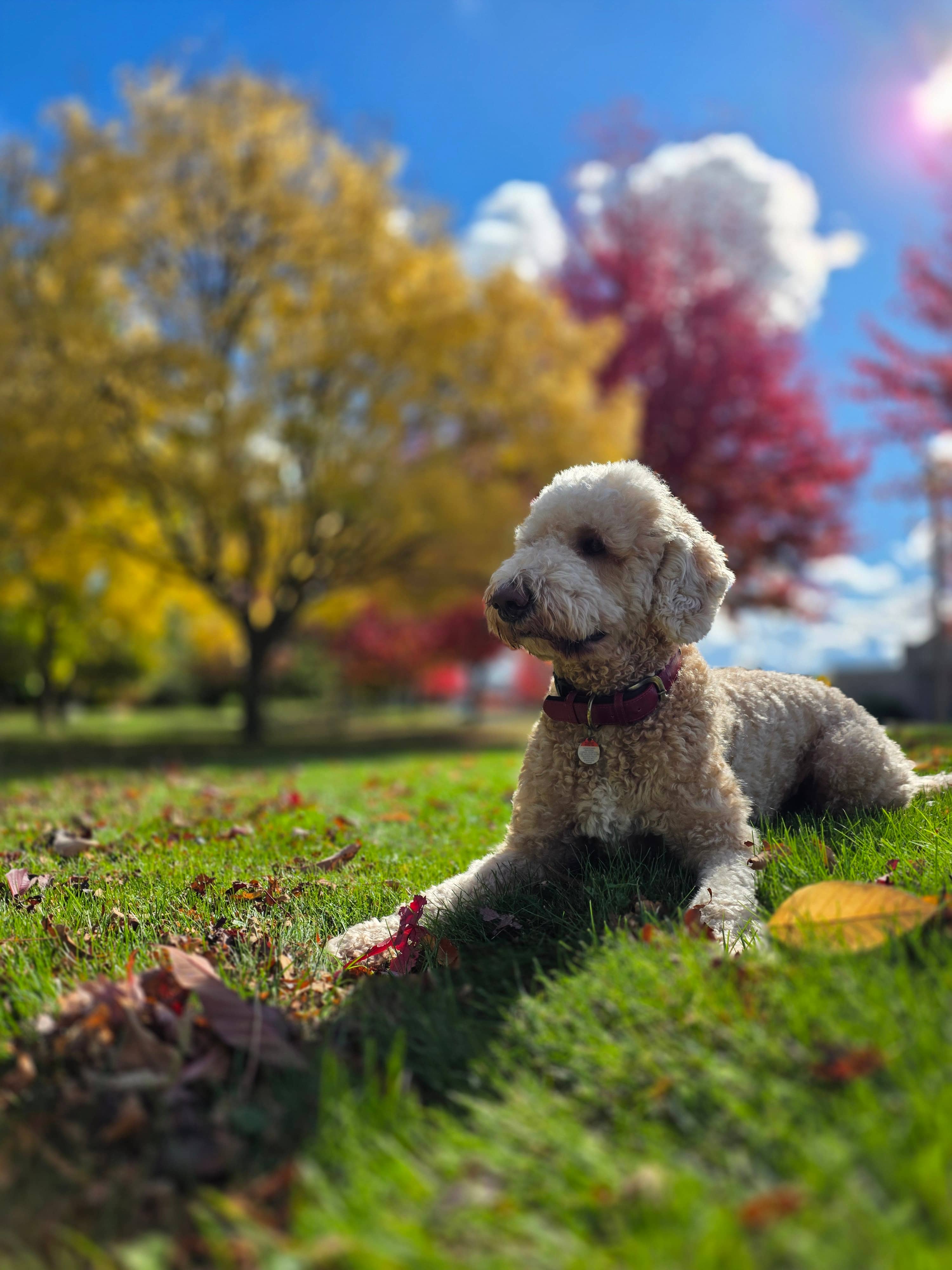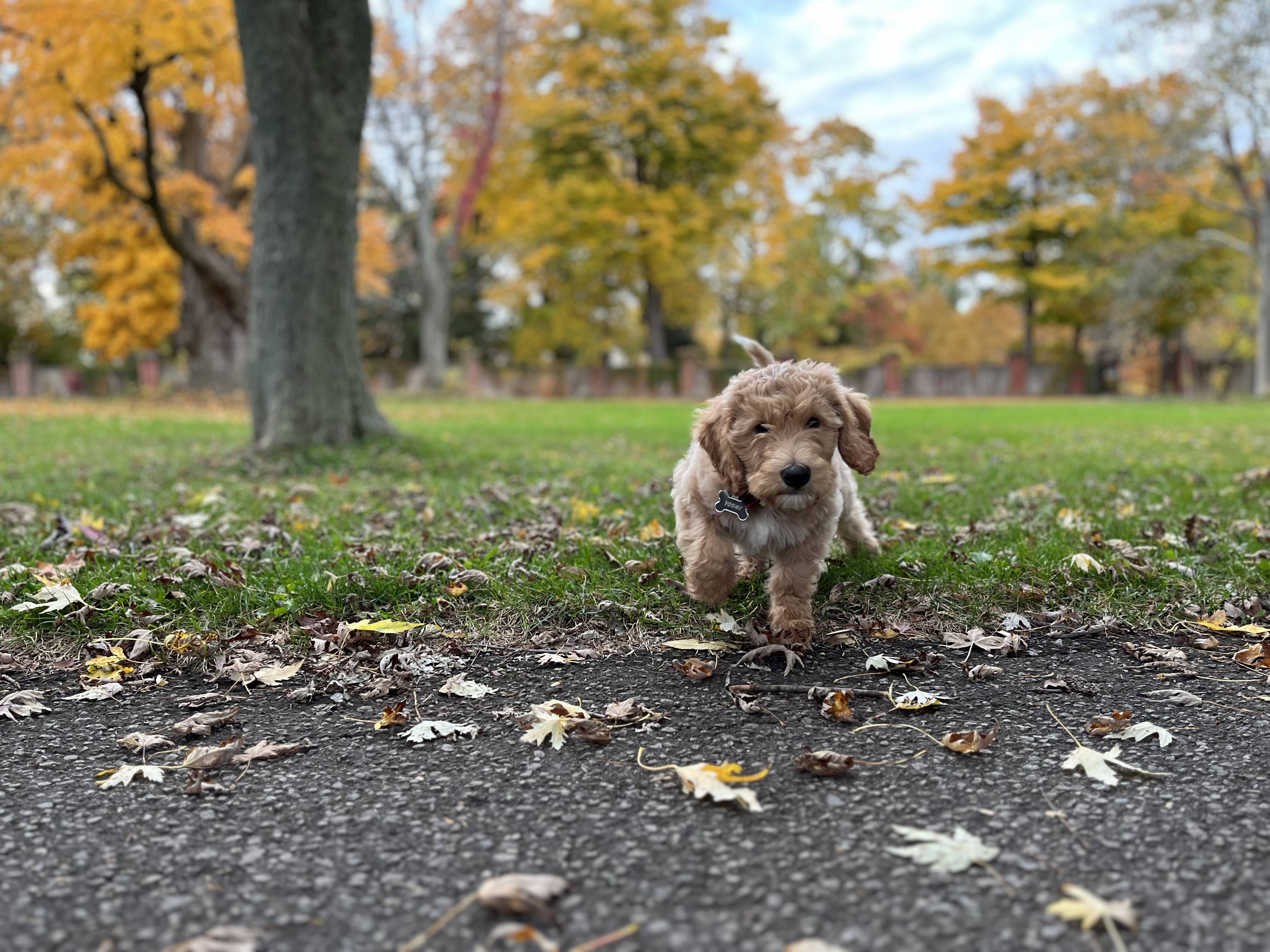
There is something special about a road trip with your dog.
Windows slightly down.
Nose in the breeze.
New trails. New towns. New memories.
Travelling by car is often the most flexible and comfortable option for Canadian pet parents. But successful trips require more than tossing a leash in the back seat.
Preparation turns stress into adventure.
Step 1: Prioritize Car Safety
Loose dogs in vehicles are a safety risk.
In sudden stops, an unrestrained dog can be injured or cause injury to passengers.
Safer options include:
Crash tested harness with seat belt attachment
Secured travel crate
Vehicle barrier for larger SUVs
Never allow your dog to ride in the front seat.
Safety should always come first.
Step 2: Plan Frequent Breaks
Dogs need regular bathroom and movement breaks.
A general guideline:
Stop every 2 to 3 hours
Offer water
Allow short walks
In Canada, long highway stretches between towns can make planning stops important.
Use rest areas or pet friendly stops whenever possible.
Step 3: Pack a Dog Travel Kit
Before leaving, prepare essentials:
Food and treats
Water and portable bowl
Leash and backup leash
Waste bags
Vaccination records
Comfort blanket or bed
Favorite toy
Any medications
Bringing familiar items reduces stress in new environments.
Step 4: Book Pet Friendly Accommodations
Not all hotels and rentals allow dogs.
Confirm:
Pet policies
Size restrictions
Additional fees
Nearby walking areas
In popular Canadian destinations like Banff, Whistler, or Prince Edward County, pet friendly options book quickly during peak seasons.
Plan ahead.
Step 5: Consider Weather Conditions
Canada’s climate varies significantly.
In summer:
Avoid leaving your dog in a parked car
Provide shade and water
Walk during cooler hours
In winter:
Protect paws from road salt
Monitor for frostbite
Bring warm bedding
Seasonal awareness keeps your dog safe.
Step 6: Maintain Routine
Dogs thrive on consistency.
Try to maintain:
Feeding times
Walk schedules
Sleep routines
Even small elements of predictability reduce anxiety during travel.
Step 7: Visit the Vet Before Long Trips
For extended travel, especially across provinces or into the United States, ensure:
Vaccinations are up to date
Microchip information is current
Preventative medications are packed
Carry veterinary contact information in case of emergency.
Step 8: Prepare for Outdoor Adventures
Canada offers incredible dog friendly destinations:
Coastal trails in British Columbia
Mountain hikes in Alberta
Cottage country in Ontario
Atlantic coastal parks
Always check leash regulations and wildlife advisories.
Respect local rules to protect access for all dog owners.
Step 9: Watch for Stress Signals
Not all dogs love travel immediately.
Signs of travel stress include:
Excessive panting
Drooling
Restlessness
Refusal to eat
Short practice drives before long trips help build comfort.
Step 10: Leave No Trace
Responsible travel protects nature and communities.
Pick up waste
Respect wildlife
Follow park guidelines
Keep dogs leashed where required
Maintaining good etiquette keeps Canada dog friendly.
Final Thoughts
Road trips with your dog can be some of your most memorable adventures.
With preparation, safety planning, and awareness, travel becomes an opportunity for connection rather than stress.
Pack thoughtfully. Drive carefully. Stay flexible.
Because sometimes the best travel companion is the one sitting quietly beside you, watching the world go by through the window.
And the road feels better when shared.