Dogs may not use words, but they communicate affection in clear and meaningful ways. Understanding these signals helps strengthen the bond between you and your companion. This guide explores how dogs show love and how Canadian pet parents can respond thoughtfully.
Understanding Canine Affection
Dogs communicate primarily through body language, vocalization, and behaviour. Affection is often expressed in subtle but consistent patterns.
While all Dog Breeds have individual personalities, most dogs develop strong attachments to their caregivers. Recognizing these behaviours supports both emotional connection and Pet Wellness.
1. Following You From Room to Room
If your dog quietly trails behind you throughout the house, this is often a sign of attachment.
Dogs are social animals that seek proximity to those they trust. In Canadian homes where winter weather keeps families indoors for longer periods, this behaviour may become more noticeable.
2. Soft Eye Contact
Gentle, relaxed eye contact can signal trust and affection. When a dog looks at you with soft eyes and a calm posture, it often reflects comfort and security.
Avoid staring intensely, as direct prolonged eye contact can feel threatening to some dogs. Instead, respond with calm verbal reassurance.
3. Leaning Against You
Many dogs lean their body weight against their owners. This physical closeness is a common sign of trust.
Larger breeds may lean more noticeably, while smaller dogs may rest their head on your lap. This contact reinforces bonding and emotional safety.
4. Bringing You Toys
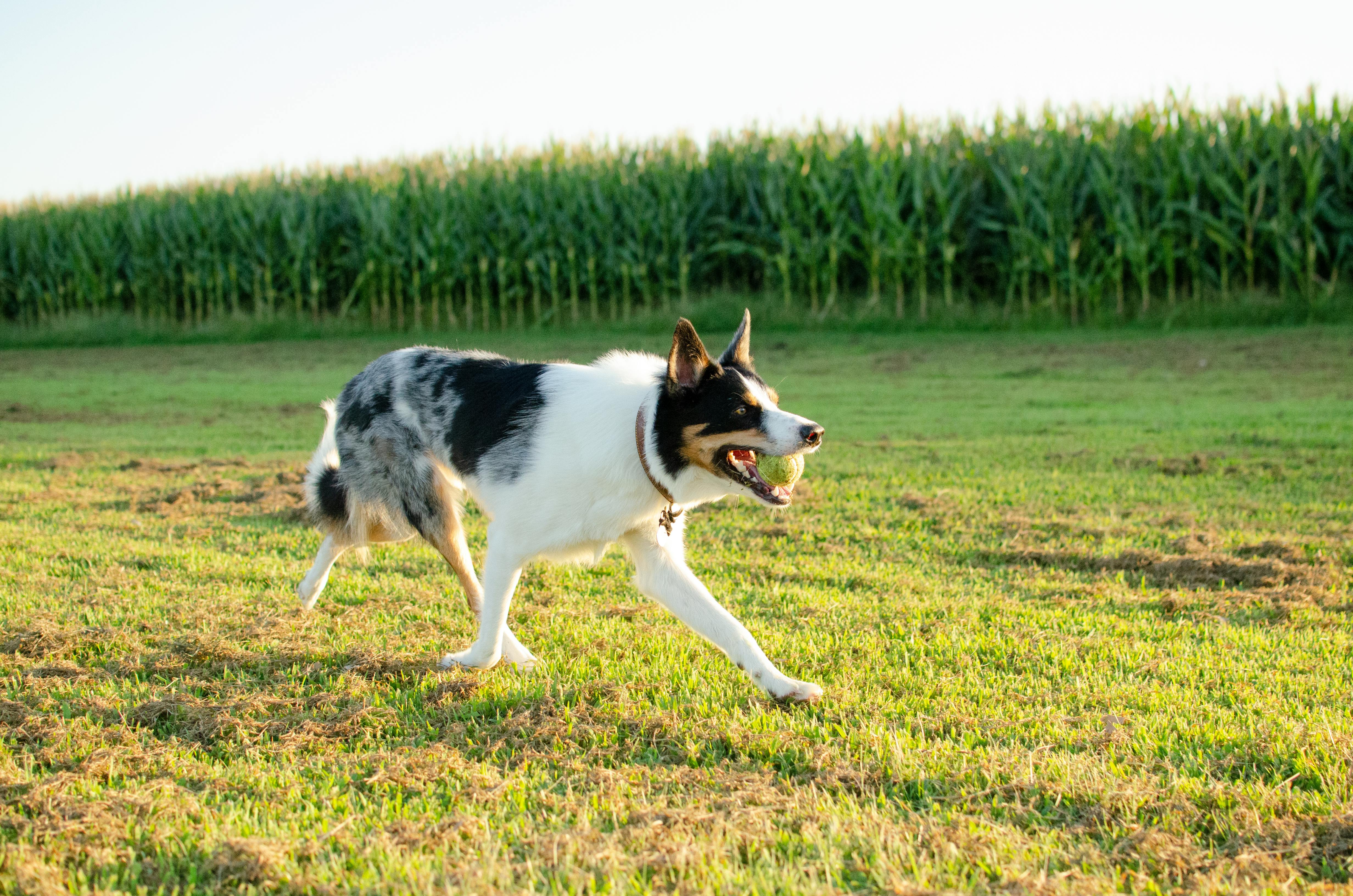
When your dog brings you a favourite toy, it is often an invitation to interact. Sharing valued objects can be a form of social bonding.
Structured play sessions also reinforce positive Dog Training habits and strengthen communication.
5. Tail Wagging With Relaxed Body Language
Not all tail wagging means the same thing. A relaxed wag paired with a loose body and soft facial expression often indicates happiness and affection.
Observing full body language is important. Responsible Pet Ownership includes understanding the context of behaviour rather than focusing on one signal alone.
6. Licking and Gentle Nudging
Some dogs lick hands or nudge with their nose. These behaviours can signal affection or a request for attention.
While licking may feel like a kiss, it can also be a learned behaviour reinforced by positive responses. If excessive, gentle redirection can help maintain boundaries.
7. Sleeping Near You
Dogs are most vulnerable when resting. Choosing to sleep near you reflects trust and emotional security.
Whether on the floor beside your bed or on a dog bed in the same room, proximity during rest often signals strong attachment.
8. Excited Greetings
Many dogs greet their owners enthusiastically after even short separations. This reaction reflects social bonding.
In cities such as Calgary or Toronto, where workdays can be long, predictable departure and return routines help maintain emotional balance. Calm greetings reinforce stability.
Breed Differences in Expressing Affection
Some breeds are naturally more demonstrative.
The Golden Retriever is often physically affectionate and eager to please. The Shiba Inu may show affection more subtly through quiet companionship.
Understanding your dog’s individual temperament is key. Affection can look different depending on personality and background.
Supporting a Healthy Bond
Affection is strengthened through consistent care and respectful interaction.
To nurture connection:
Maintain regular routines
Use positive reinforcement during Dog Training
Provide daily physical and mental stimulation
Respect your dog’s comfort and boundaries
Emotional wellbeing is part of overall Pet Wellness. Dogs that feel secure and understood are more likely to express affection confidently.
When Affection Signals Anxiety
Clingy behaviour can sometimes indicate separation related stress. If your dog becomes distressed when you prepare to leave or struggles to settle alone, consult a veterinarian or certified trainer for guidance.
Balanced attachment supports both independence and bonding.
Final Thoughts
Dogs express affection through proximity, body language, and shared interaction. While they may not say the words, their actions often communicate trust and connection clearly.
By observing behaviour carefully and responding with consistency and care, Canadian pet parents can deepen the bond they share with their dogs. Thoughtful attention to communication strengthens not only affection, but also long term wellbeing and companionship.