The Basics of Canine Communication
Dogs communicate primarily through non-verbal cues. While humans rely on speech, our furry friends use their entire bodies to express emotions. Understanding these signals helps you provide better care and prevents misunderstandings in your daily life together.
At Stayadoodle, we believe that a happy pet starts with a parent who truly listens. By observing the position of their ears, the stiffness of their posture, and the movement of their tail, you can gain deep insights into their mental state and immediate needs.
It is important to remember that context is everything. A wagging tail doesn't always mean happiness; it can also indicate over-excitement or nervousness depending on the speed and direction. Always look at the whole dog rather than focusing on just one part.
Decoding the Eyes and Ears
A dog's eyes can tell a powerful story. Soft, relaxed eyes usually indicate a calm dog, while whale eye—where the whites of the eyes are visible—often suggests fear or anxiety. Pay close attention to their gaze to ensure they feel safe and secure in their current environment.
Ears are another high-traffic communication zone. Forward-leaning ears signal curiosity or intense focus, while ears pinned back against the head usually mean submission or stress. These shifts can happen in a split second, so staying observant during walks or play is key.
If you notice your dog constantly looking away or avoiding eye contact, they may be trying to diffuse a situation. This is a natural calming signal used to show they are not a threat and would prefer some space or a break from the interaction.
Understanding Tail Wagging and Body Posture
The tail is perhaps the most misunderstood part of canine anatomy. A slow, stiff wag may indicate hesitation or suspiciousness, while a broad, loose wag usually signals pure joy. The height of the tail also matters, with a high tail showing confidence and a tucked tail showing significant fear.
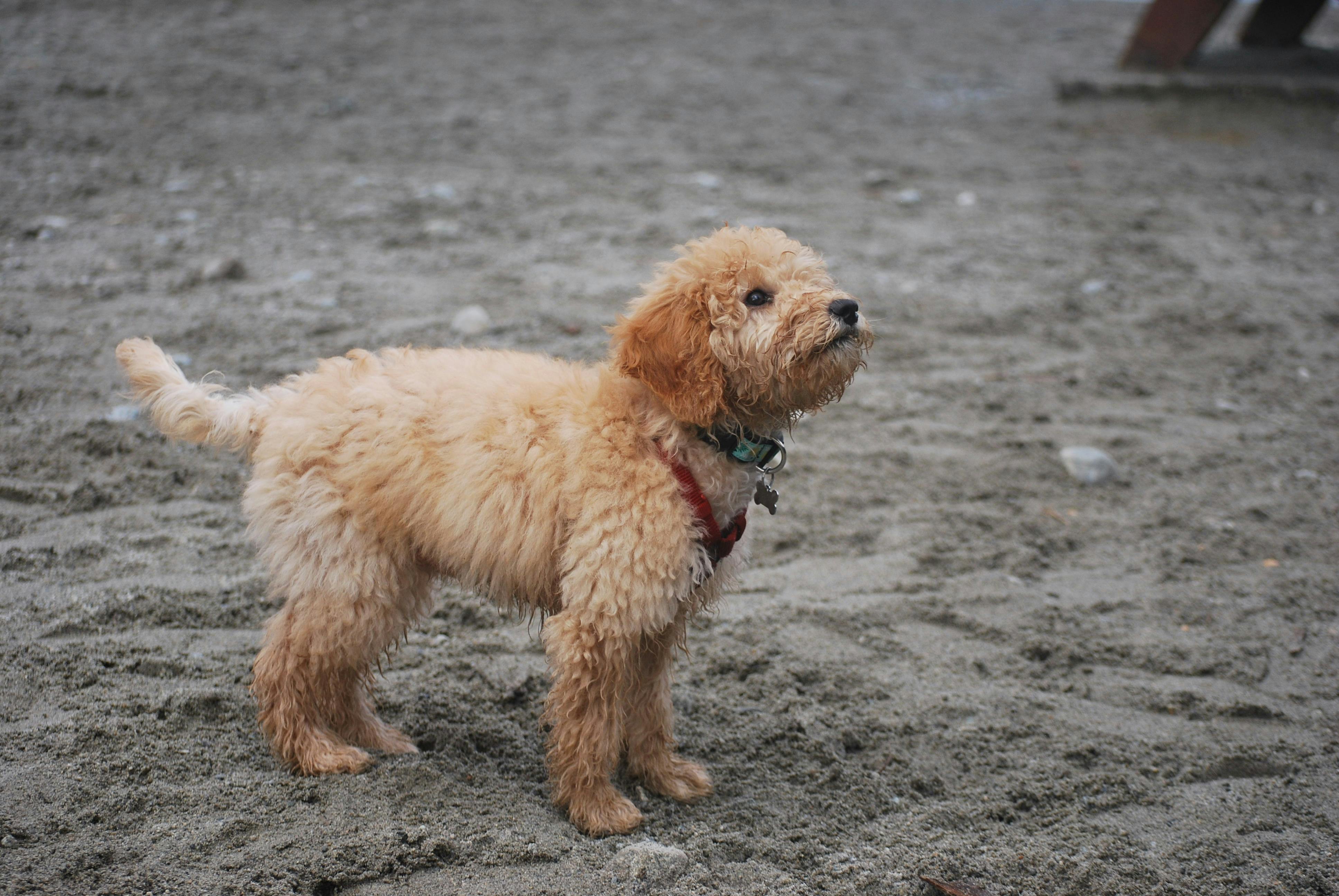
Body weight distribution is equally revealing. A dog leaning forward is often assertive or curious, whereas a dog shifting their weight to their back legs is likely trying to create distance. Relaxed dogs often have a slight wiggle to their entire body, indicating they are comfortable.
When you use pet services, knowing these signs helps you communicate effectively with your pet's caregivers. A loose, curvy body language is the ultimate sign of a comfortable and content canine companion who is enjoying their surroundings.
Common Signs of Stress and Happiness
Recognizing stress signals early can prevent potential conflicts. Common signs include excessive yawning when they aren't tired, lip licking when no food is present, and shaking off as if they are wet. These are ways dogs release internal tension after a stressful encounter.
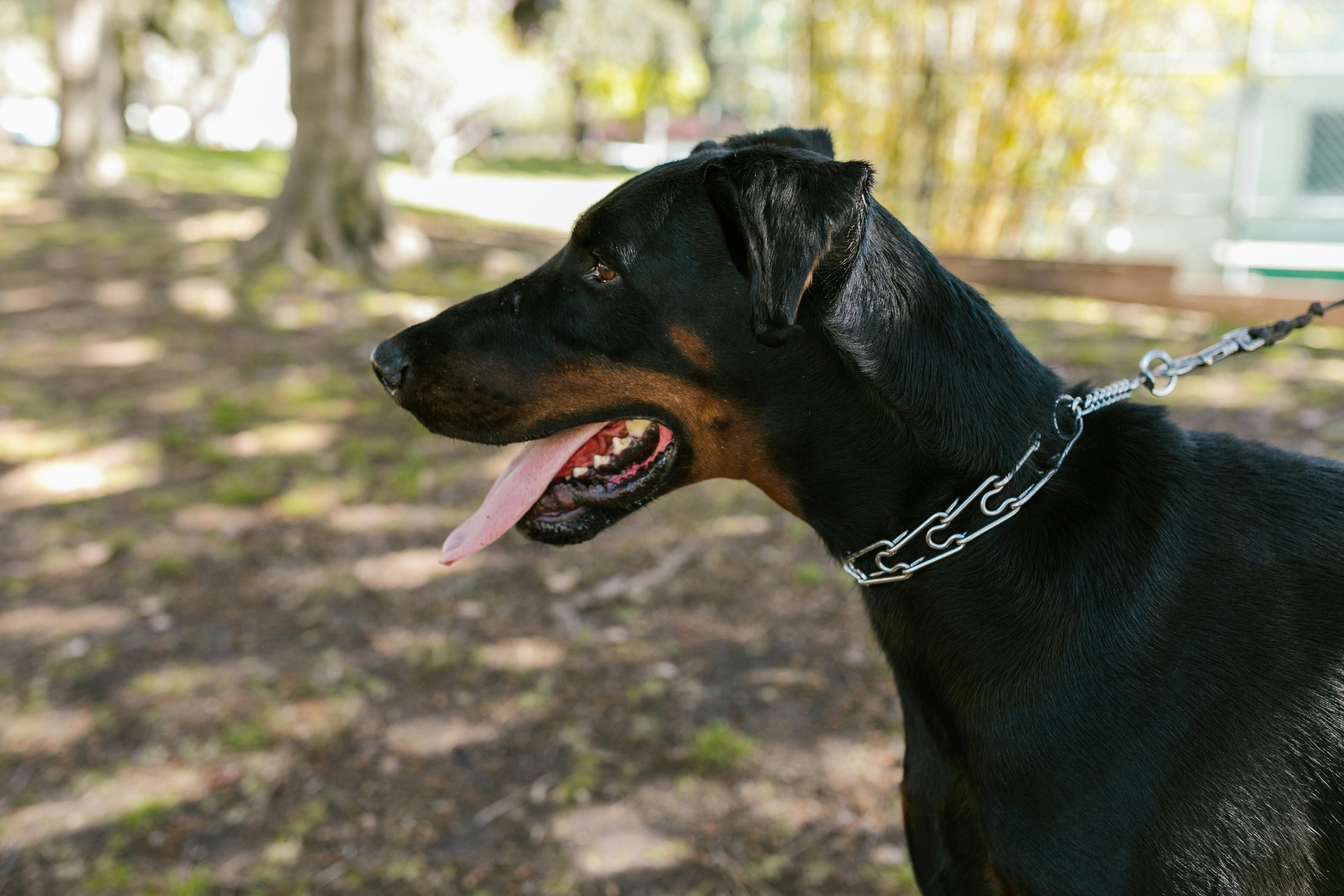
On the flip side, a happy dog displays a soft face, an open mouth with a relaxed tongue, and a bouncy gait. They might also engage in a play bow, lowering their front half while keeping their rear up to invite friendly interaction and fun.
- Lip licking and yawning can indicate mild anxiety or discomfort.
- A play bow is a universal canine sign of friendly intent.
- Stiffening of the body often precedes a reactive outburst and requires intervention.
By mastering these cues, you become a pro at understanding your dog's unique needs. Stayadoodle is here to support your journey in becoming the best pet parent possible through education.