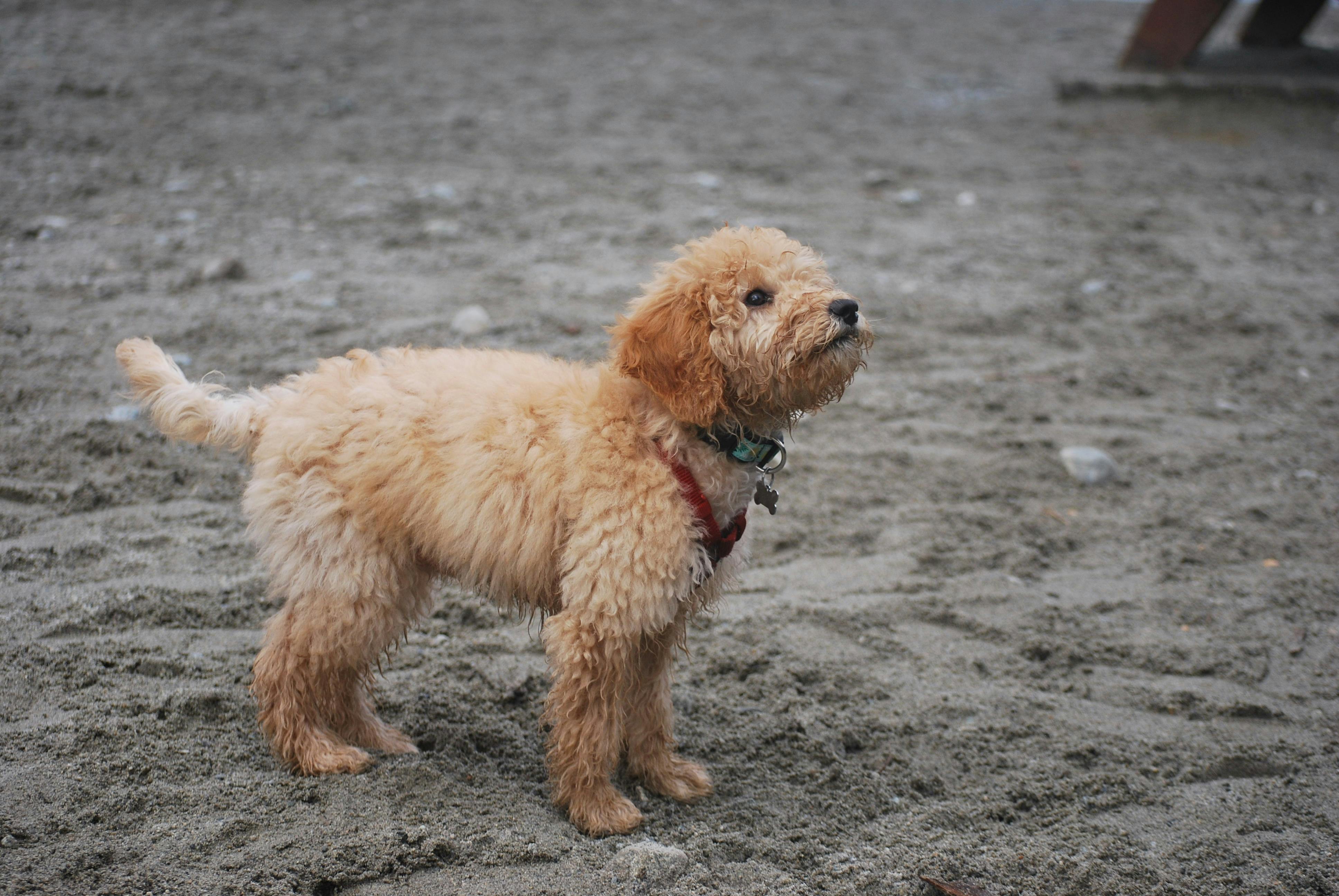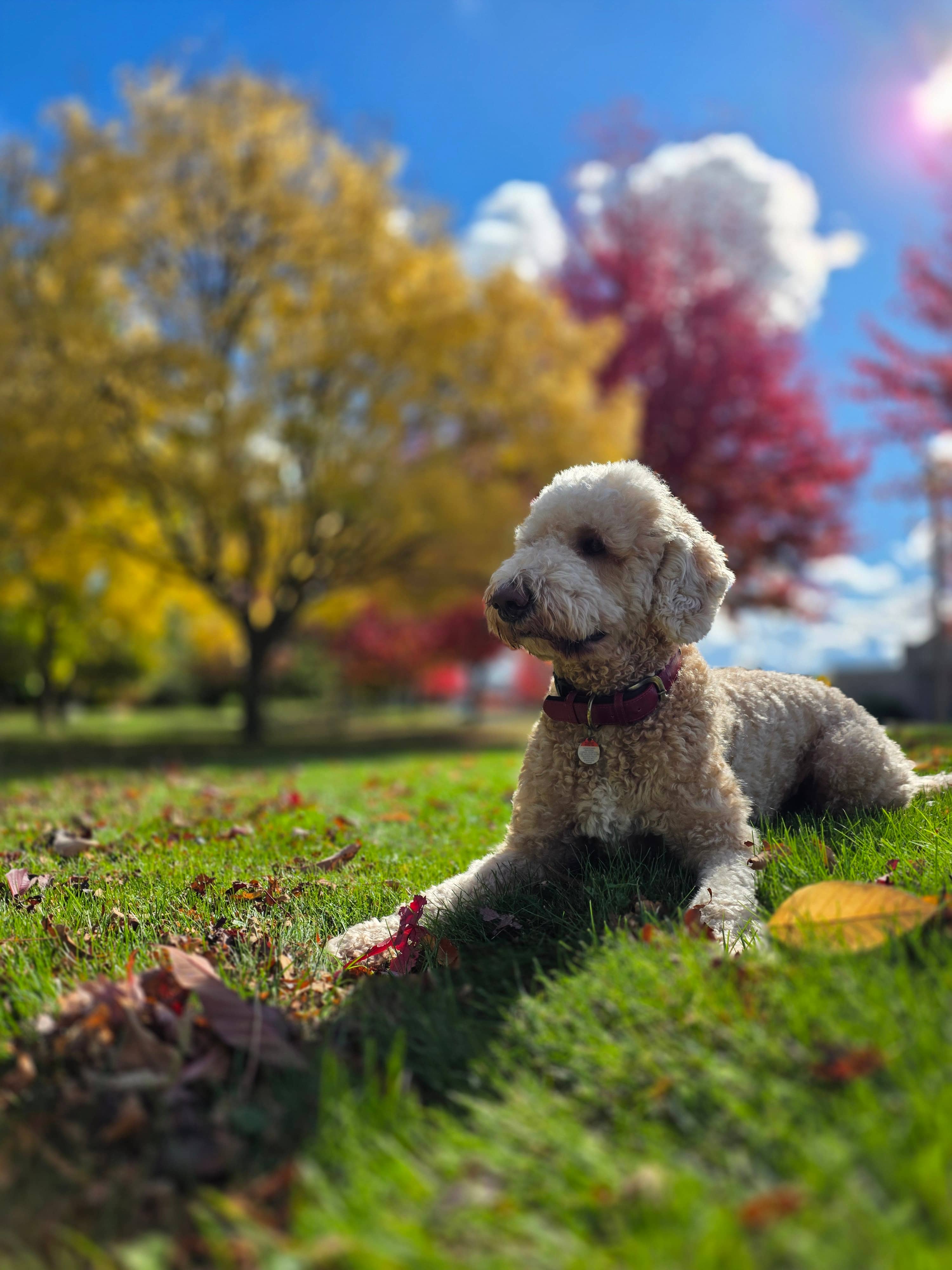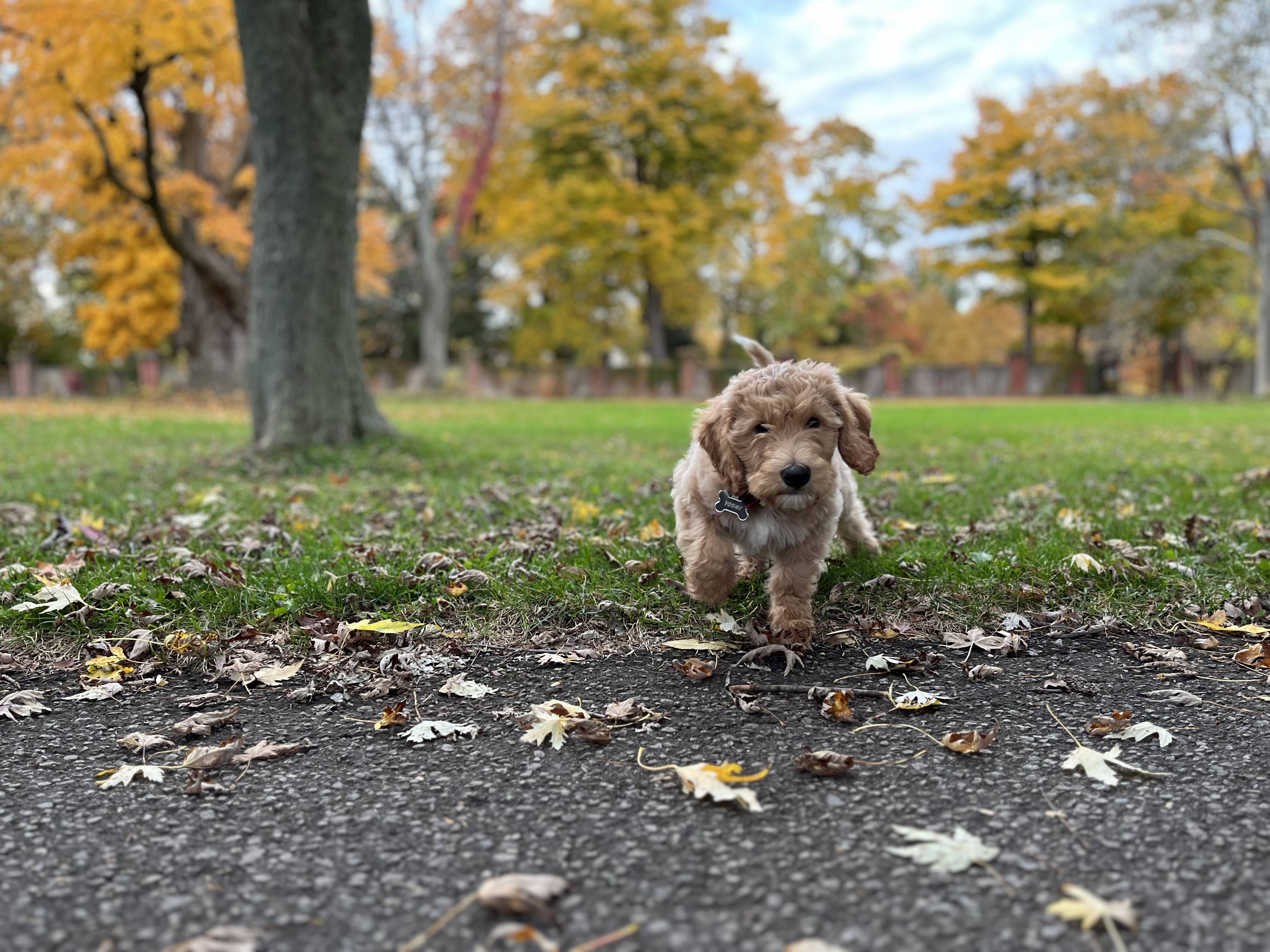
Training treats play an important role in shaping your puppy’s behaviour and building trust. The right treats should be small, nutritious, and easy to digest while supporting consistent learning. This guide outlines the best healthy training treats for puppies in Canada and offers practical advice for responsible use.
Why Training Treats Matter for Puppies
Early training builds lifelong habits. Puppies respond best to positive reinforcement, and food rewards are often the most effective motivator.
When used properly, treats help reinforce recall, house training, leash manners, and basic commands. However, choosing healthy options is essential for long term Pet Wellness.
What Makes a Good Puppy Training Treat
Not all treats are appropriate for young dogs. Look for options that meet these criteria.
Small and Soft
Training sessions involve repetition. Treats should be pea sized or smaller and easy to chew quickly. This keeps sessions efficient and prevents overfeeding.
Simple Ingredients
Choose treats with recognizable ingredients. Avoid artificial colours, excessive preservatives, and high sugar content.
Age Appropriate
Ensure the product is formulated for puppies or safe for all life stages. When in doubt, consult your veterinarian before introducing new foods.
High Quality Commercial Puppy Treat Options
Many reputable brands available in Canada offer puppy safe options. Look for treats labeled specifically for training or soft bite use.
Features to prioritize include:
Limited ingredient formulas
Real meat as the first ingredient
Low calorie per piece
Made in Canada or with transparent sourcing
Always review feeding guidelines and adjust meal portions accordingly to prevent excessive calorie intake.
Healthy Homemade Training Treat Ideas
Some Canadian pet parents prefer simple homemade options. These can be cost effective and allow full control over ingredients.
Consider:
Small pieces of plain boiled chicken
Tiny cubes of cooked turkey
Soft baked pumpkin and oat treats
Plain scrambled egg in small portions
Avoid seasoning, salt, onions, garlic, or other ingredients that may be harmful to dogs. When preparing homemade treats, ensure they are stored safely and used within a reasonable timeframe.
Fresh Food Rewards for Training
In addition to traditional treats, certain fresh foods can be used in moderation.
Suitable options may include:
Blueberries
Small pieces of carrot
Thin apple slices without seeds
Plain cooked sweet potato
These can provide variety while supporting Pet Wellness. Introduce new foods gradually and monitor for digestive sensitivity.
How Many Treats Is Too Many
Even healthy treats add calories. Puppies are still growing, and balanced nutrition is critical.
As a general guideline, treats should not exceed 10 percent of your puppy’s daily caloric intake. If you are unsure how this applies to your specific Dog Breeds, consult your veterinarian for personalized guidance.
For high frequency training sessions, consider:
Using part of your puppy’s regular kibble as rewards
Breaking treats into smaller pieces
Reducing meal portions slightly to balance intake
Training Treats and Canadian Seasons
Seasonal factors can influence training routines.
In winter, outdoor sessions may be shorter due to cold temperatures in provinces such as Alberta or Quebec. Quick, high value treats can help maintain focus during brief sessions.
In summer, avoid perishable treats that spoil in warm weather. Keep treats stored in a cool container during park visits in cities like Toronto or Vancouver. Always provide fresh water during training.
Supporting Responsible Puppy Training
Treats are a tool, not the entire strategy. Combine food rewards with praise, consistency, and patience.
Key principles of Responsible Pet Ownership include:
Short, focused training sessions
Clear, consistent cues
Gradual exposure to new environments
Regular veterinary checkups to support healthy development
If your puppy experiences digestive upset or allergic reactions, discontinue the treat and consult your veterinarian.
Teaching Without Over Reliance on Treats
As your puppy matures, gradually transition from constant food rewards to intermittent reinforcement. Pair treats with verbal praise and affection so your dog learns to respond reliably even without food.
Effective Dog Training builds confidence and strengthens the bond between you and your dog. Treats should support learning, not replace structure and leadership.
Final Thoughts
Healthy training treats are a valuable part of raising a well mannered puppy. Choosing small, nutritious options supports learning while protecting long term Pet Wellness.
Canadian pet parents can balance convenience and nutrition by selecting quality commercial treats or preparing simple homemade options. With thoughtful use and consistent guidance, training treats will help lay the foundation for a confident, well adjusted adult dog.