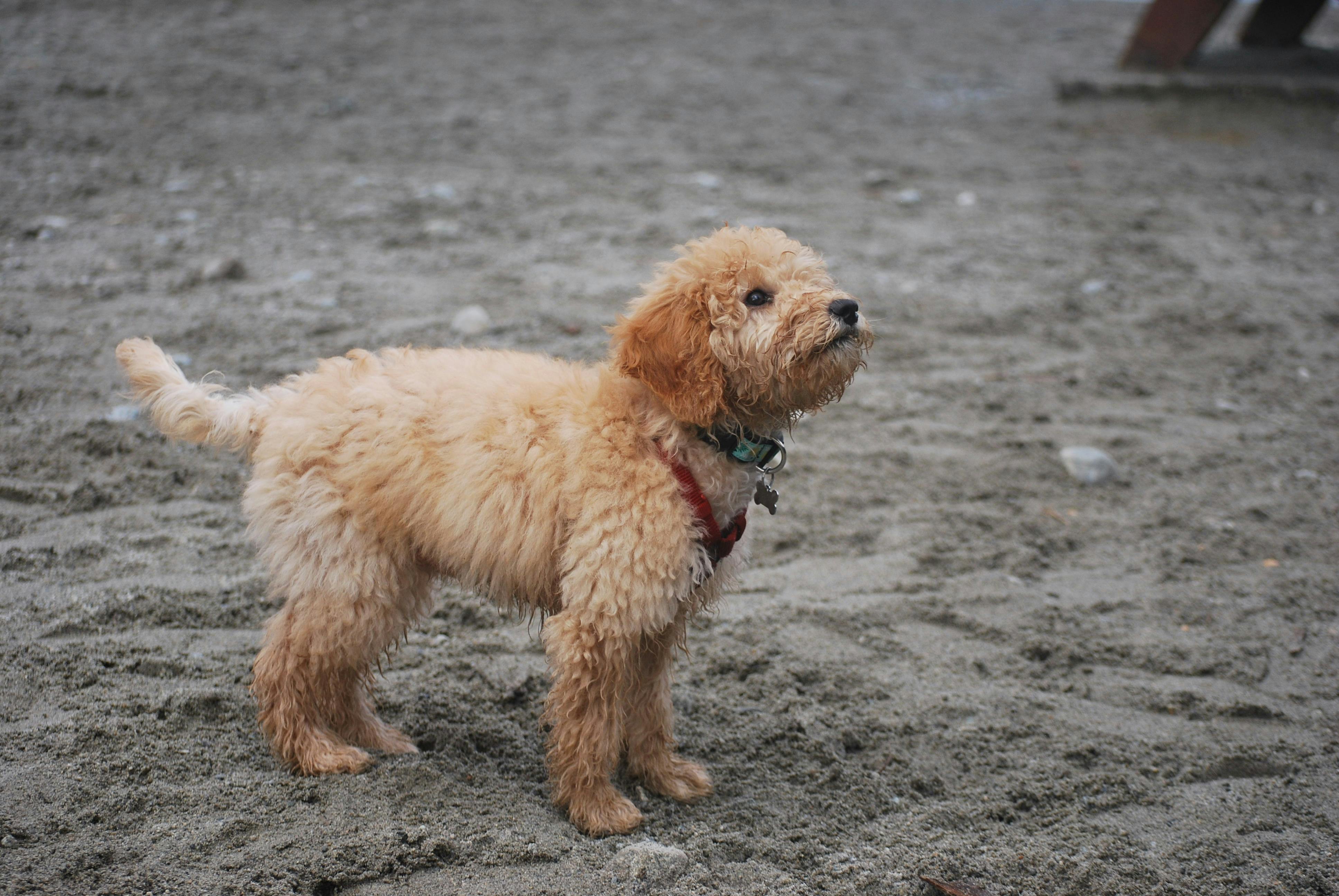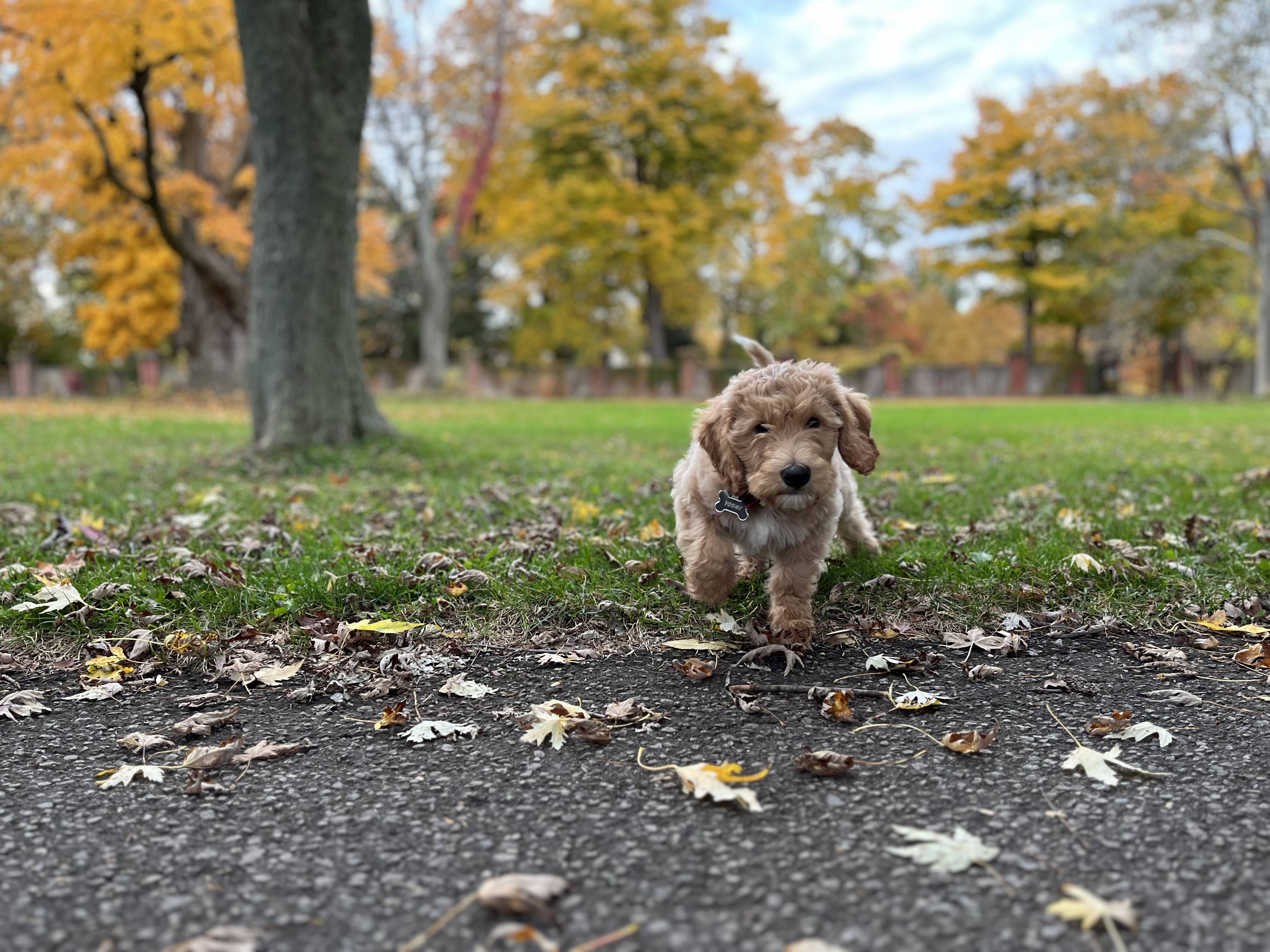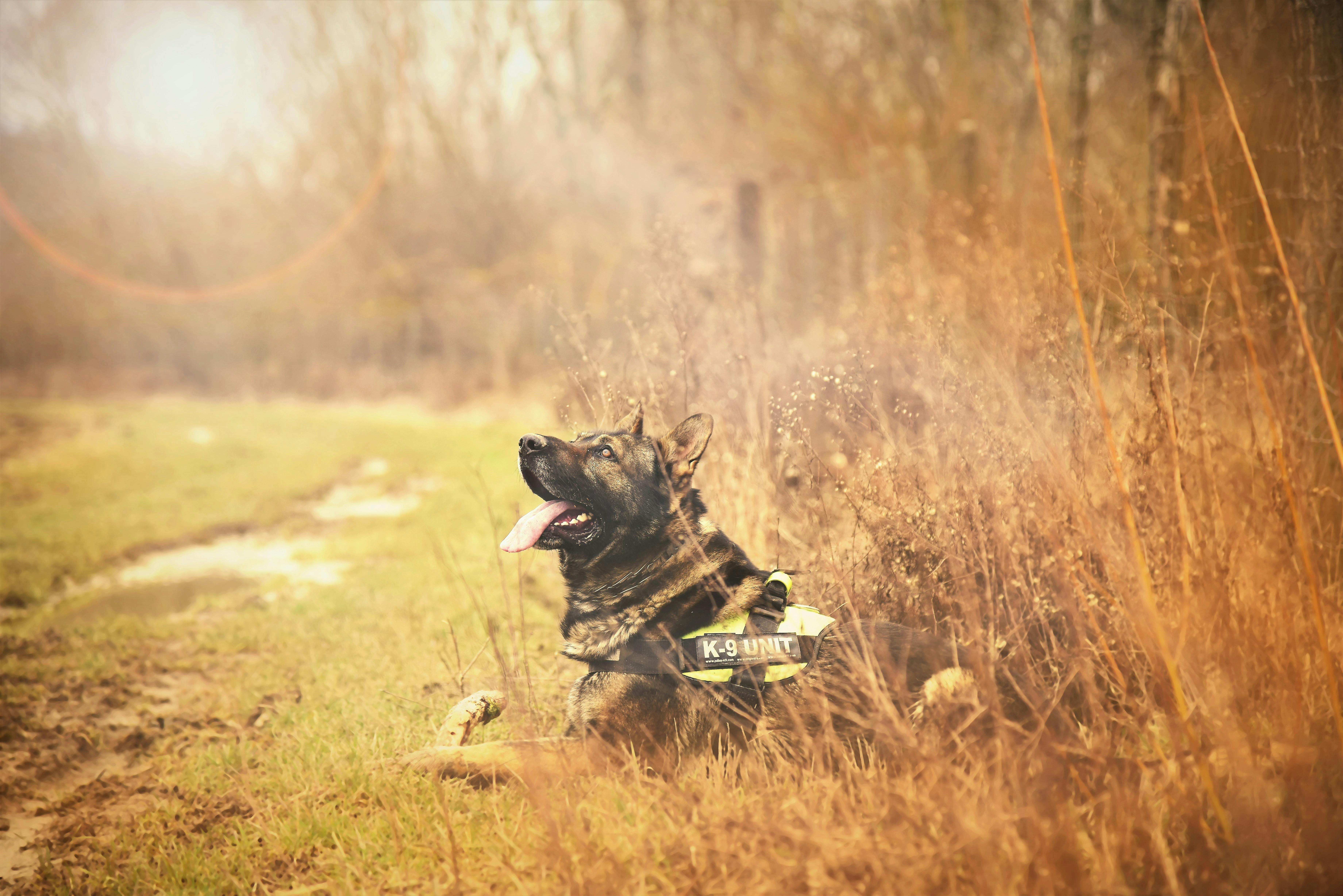
Dogs may not speak our language, but they communicate constantly through behaviour, expression, and sound. Understanding common “doggo lingo” helps Canadian pet parents build stronger, more respectful relationships with their dogs. This guide breaks down popular terms and what they really mean in everyday life.
What Is Doggo Lingo?
Doggo lingo is a playful way humans describe common canine behaviours and expressions. While the terms are informal, the behaviours behind them are rooted in normal dog communication.
Learning what these actions actually represent allows owners to respond appropriately and responsibly.
The Blep
A blep refers to a dog sticking the tip of their tongue slightly out of their mouth.
This often happens when:
A dog is relaxed or sleepy
They are missing certain teeth
They briefly forget to pull their tongue back in
In most cases, a blep is harmless and simply a sign of comfort. If drooling or unusual tongue posture appears suddenly, consult your veterinarian to rule out dental or neurological concerns.
The Zoomies
Zoomies describe sudden bursts of high speed running, often in circles or across the house. The technical term is frenetic random activity periods.
Zoomies are common:
After baths
During play
In the evening
After being confined
For many Canadian dogs, winter cabin time can increase pent up energy, making structured outdoor play especially important. Ensure your yard or indoor space is safe during these bursts of activity.
The Sploot
A sploot occurs when a dog lies flat on their belly with their back legs stretched out behind them.
This position is common in:
Puppies
Flexible breeds
Dogs cooling down on warm surfaces
In warmer Canadian summers, dogs may sploot on cool tile or shaded decks to regulate body temperature. Occasional splooting is normal. If your dog struggles to stand afterward or shows stiffness, consider consulting your veterinarian.
The Side Eye
Side eye happens when a dog turns their head slightly but keeps their eyes focused sideways, sometimes showing the whites of the eyes.
This can indicate:
Discomfort
Uncertainty
Guarding behaviour
Mild annoyance
Recognizing side eye is important, especially around children. It often serves as an early warning sign that a dog needs space.
The Play Bow
The play bow is one of the clearest signals in dog communication. A dog lowers their front legs while keeping their hind end raised.
This means:
I want to play
My behaviour is friendly
Any rough movement is playful
Play bows are commonly seen at dog parks or during backyard games. Understanding this signal helps prevent misinterpretation between dogs and humans.
The Tail Language
Tail movement is often misunderstood. A wagging tail does not always mean happiness.
Consider:
A loose, wide wag suggests relaxation
A stiff, high wag may indicate alertness
A low or tucked tail signals fear
Canadian pet parents who encounter wildlife during walks should pay close attention to tail posture. It can provide early clues about how your dog is feeling.
The Paw Lift
A raised front paw can mean curiosity or mild uncertainty. Some dogs lift a paw when focusing on something new.
Hunting and sporting breeds may display this behaviour more frequently. It reflects concentration rather than anxiety in many cases.
The Lean
When a dog leans their body weight against you, it is often a sign of affection and trust. They are seeking connection and reassurance.
However, context matters. If leaning occurs in unfamiliar or crowded settings, your dog may be looking for security. Providing calm support reinforces your role as a trusted guide.
Why Understanding Dog Communication Matters
Interpreting doggo lingo is more than learning fun terms. It helps prevent misunderstandings and strengthens the human animal bond.
Clear understanding supports:
Safer interactions with children
Improved training outcomes
Reduced stress
Stronger emotional connection
Responsible ownership includes paying attention to subtle behavioural cues.
Supporting Healthy Expression
Dogs need outlets for natural behaviours.
Provide:
Regular exercise
Structured training
Mental enrichment
Safe socialization opportunities
In colder Canadian climates, indoor enrichment and scheduled play help maintain balance during long winters.
Final Thoughts
From bleps to zoomies, dog behaviours may seem amusing, but they carry meaningful communication. Recognizing what your dog is expressing allows you to respond with empathy and clarity.
For Canadian pet parents, understanding dog language supports safer interactions, better training, and a deeper bond. When we learn to observe carefully and respond thoughtfully, we truly begin to speak their language.