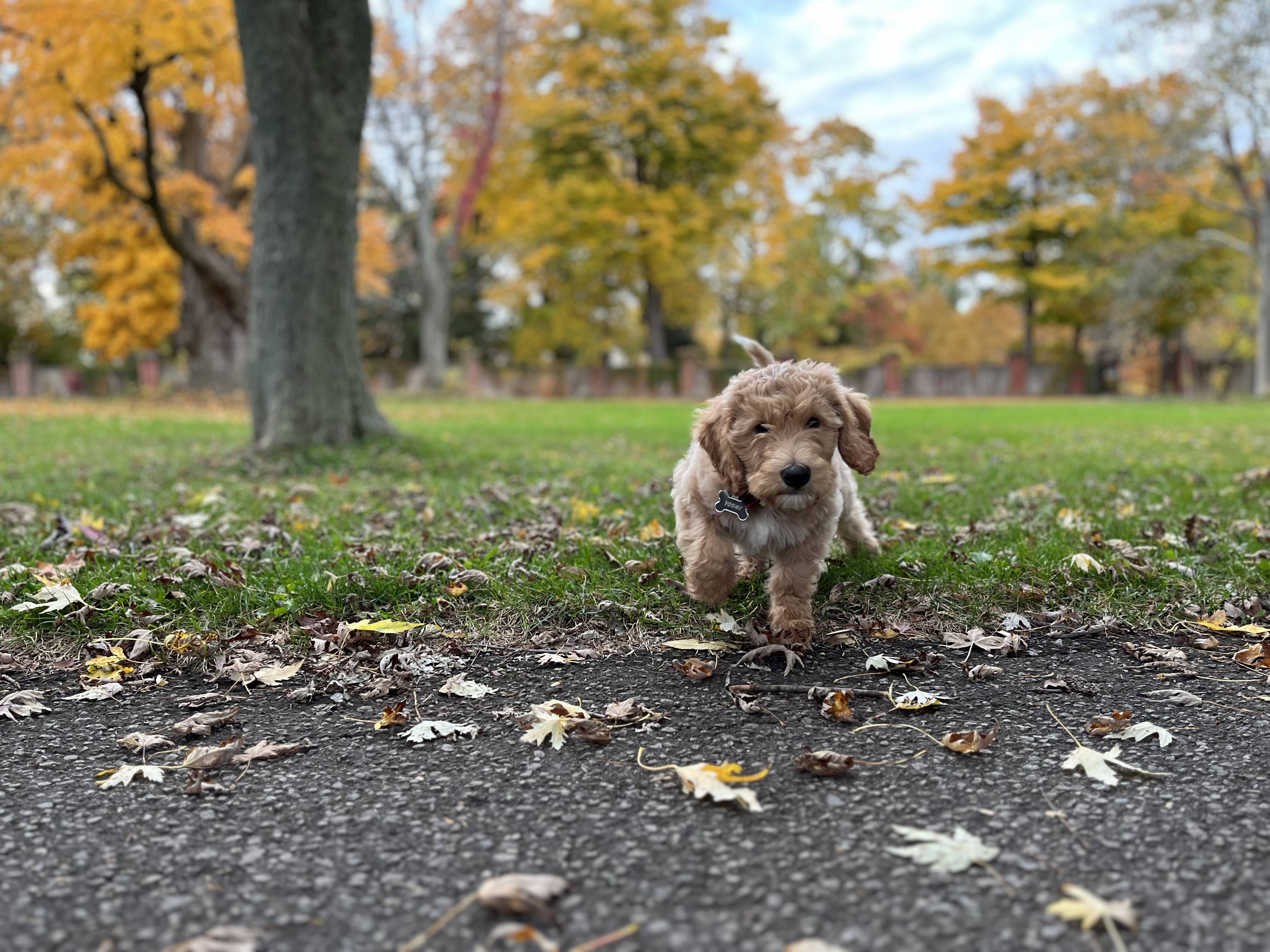
Barking is not a flaw.
It is communication.
Dogs bark to alert, to express excitement, to release frustration, and sometimes simply because they are bored. The goal is not to silence your dog completely. It is to reduce excessive barking while respecting why it happens.
The first step is understanding the reason behind the noise.
Step One: Identify the Type of Barking
Different causes require different solutions.
Common types include:
Alert barking at doors or passersby
Attention seeking barking
Boredom barking
Separation related barking
Fear based barking
Observe patterns. When does it happen? What triggers it? Who is present?
Once you identify the cause, you can choose the right strategy.
Tip 1: Reward Quiet Moments
Many owners unintentionally reward barking by reacting immediately.
Instead:
Wait for a brief pause
Mark the silence calmly
Offer a reward
You are teaching your dog that calm behaviour earns attention.
Timing matters. Reward the quiet, not the bark.
Tip 2: Teach a “Quiet” Cue
You can train a quiet command in structured sessions.
Allow one or two barks.
Say “quiet” in a calm tone.
Wait for silence.
Reward immediately.
Consistency builds association.
Avoid yelling. To your dog, raised voices can sound like participation.
Tip 3: Increase Mental Stimulation
In Canada, especially during long winters, reduced outdoor time can lead to pent up energy.
Mental stimulation often reduces barking more effectively than extra physical exercise.
Try:
Puzzle feeders
Scent games
Short obedience sessions
Rotating toys
A mentally engaged dog barks less out of boredom.
Tip 4: Manage the Environment
Sometimes reducing triggers is easier than correcting reactions.
Use privacy window film
Block visual access to busy streets
Create a calm resting area away from doors
Reducing exposure lowers opportunities for reactive barking.
Tip 5: Address Separation Anxiety Early
If barking occurs mainly when you leave, anxiety may be the root cause.
Gradual independence training helps:
Practice short absences
Avoid dramatic departures
Keep greetings calm
If distress is severe, consult a qualified trainer or veterinarian.
Tip 6: Provide Structure
Dogs feel more secure with routine.
Regular feeding times, walks, and training sessions reduce uncertainty. Unpredictability can increase vocalization.
Consistency reduces anxiety.
What Not to Do
Avoid:
Shock collars
Physical punishment
Yelling repeatedly
Spraying water
These methods may suppress barking temporarily but often increase stress long term.
Fear does not build lasting calm behaviour.
When to Seek Professional Help
If barking is:
Persistent and escalating
Paired with aggression
Causing neighbour complaints
Associated with anxiety
Professional guidance can prevent long term behavioural issues.
Final Thoughts
Barking is a natural behaviour.
The goal is balance, not silence.
When you understand the trigger and respond with patience, structure, and consistency, excessive barking becomes manageable.
Calm dogs are not created through force.
They are created through understanding and leadership.
And often, the quiet you’re looking for begins with listening first.