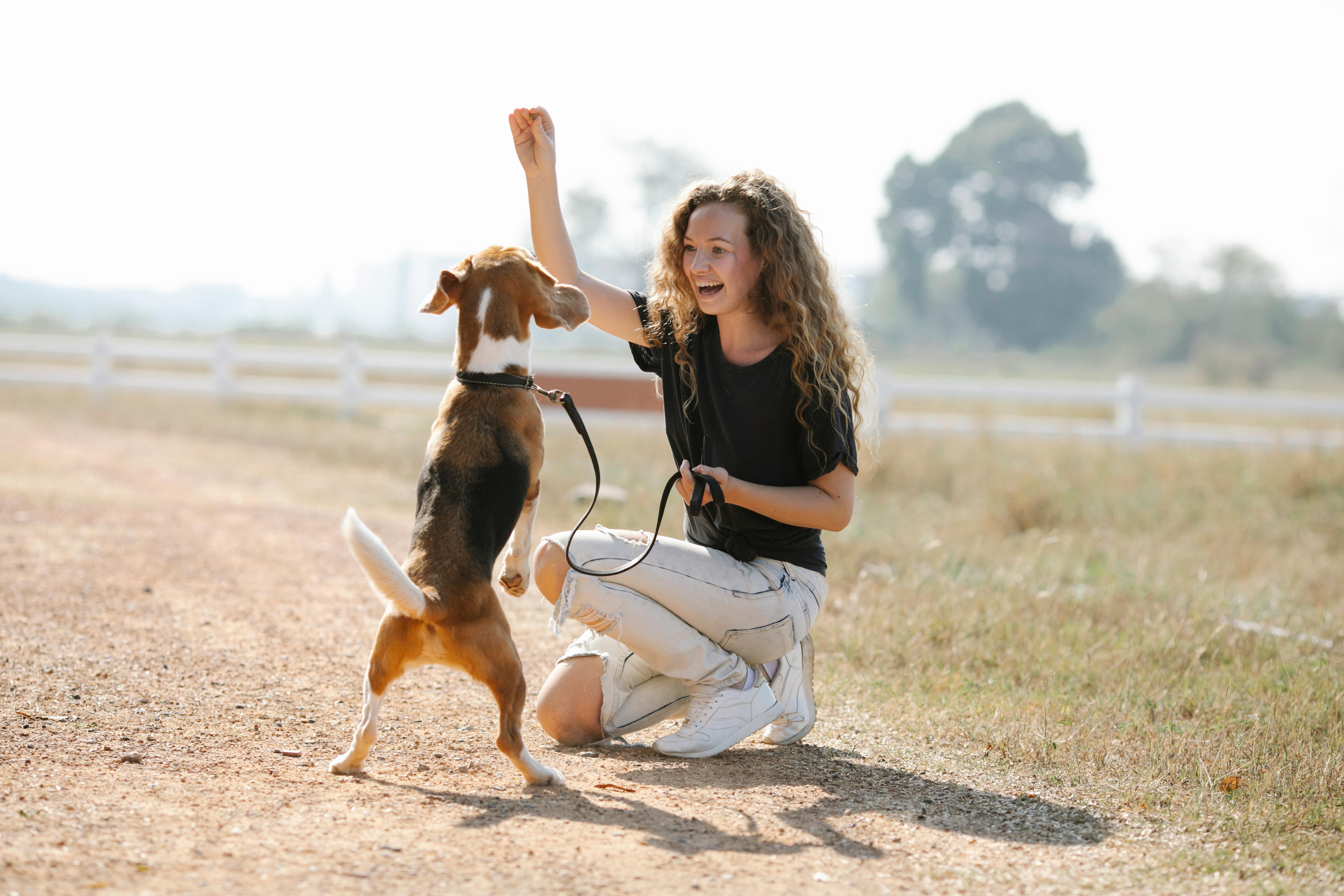
Bell training is a popular house training method that teaches dogs to signal when they need to go outside. When introduced properly, it can improve communication and reduce accidents. This guide explains how bell training works, who it is best for, and how Canadian pet parents can implement it effectively.
What Is Bell Training
Bell training teaches a dog to ring a small bell, typically hung near a door, to indicate they need to go outside. Instead of barking or pacing, the dog learns a clear and consistent signal.
This method is most commonly used for puppies during house training, but it can also be introduced to adult dogs. Like any Dog Training technique, success depends on consistency and positive reinforcement.
Does Bell Training Really Work
Yes, bell training can be effective when implemented properly. It works by creating an association between the bell, going outside, and positive reinforcement.
However, it is not automatic. Dogs must be taught what the bell means, and owners must respond promptly each time it is rung. Responsible Pet Ownership includes patience and realistic expectations during the learning process.
Benefits of Bell Training
Bell training offers several practical advantages.
Provides a clear communication system
Reduces scratching at doors
Helps prevent indoor accidents
Encourages structured routines
In Canadian homes, especially during winter months, having a reliable signal can help prevent unnecessary trips outside in extreme cold.
Step by Step Guide to Bell Training
Step 1: Choose the Right Bell
Select a simple, durable bell that hangs at your dog’s nose level near the door you use most often. Ensure it produces a clear sound but is not overly loud or startling.
Step 2: Introduce the Bell
Encourage your dog to touch the bell with their nose or paw. When they make contact, immediately reward them with praise and a small treat.
Repeat this until your dog consistently touches the bell when prompted.
Step 3: Pair the Bell With Going Outside
Before every potty break, gently guide your dog to ring the bell. Immediately open the door and take them outside.
Once your dog eliminates outdoors, provide calm praise and a reward. This builds the association between ringing the bell and going outside.
Step 4: Practice Consistency
Every trip outside should involve the bell. Avoid skipping steps, as inconsistency can delay learning.
In colder provinces such as Alberta or Quebec, ensure quick transitions during winter training sessions to maintain comfort and focus.
Common Challenges and How to Manage Them
Overuse of the Bell
Some dogs may ring the bell simply to go outside and play. If this happens, keep outdoor trips brief and focused during potty training. Avoid extended playtime immediately after ringing.
Inconsistent Responses
If the bell is rung but the door is not opened promptly, your dog may become confused. Consistency is essential for effective Dog Training.
Fear of the Bell
If your dog seems hesitant, choose a softer sounding bell and introduce it gradually using treats and calm encouragement.
Is Bell Training Right for Every Dog
Bell training works well for many Dog Breeds, particularly intelligent and food motivated puppies. However, dogs with anxiety or excessive barking habits may require additional structure.
If house training difficulties persist, consult a veterinarian to rule out medical concerns. Certified trainers can also provide personalized guidance.
Supporting House Training in Canadian Homes
Successful house training involves more than the bell.
Key practices include:
Maintaining a regular feeding schedule
Supervising closely during early stages
Using crate training appropriately
Cleaning accidents thoroughly to remove odours
Seasonal factors matter as well. In winter, icy conditions can make quick outdoor trips challenging. Keep pathways clear and ensure your dog is comfortable in cold weather.
Gradually Reducing Reliance on Treats
Once your dog consistently rings the bell appropriately, you can gradually reduce treat rewards. Replace food rewards with verbal praise while maintaining consistency.
This helps your dog rely on routine rather than constant food motivation, supporting long term Pet Wellness and balanced behaviour.
Final Thoughts
Bell training can be an effective and practical method for improving communication during house training. When introduced patiently and reinforced consistently, it helps dogs clearly signal their needs.
For Canadian pet parents, especially those navigating cold winters or condo living, bell training offers structure and clarity. With thoughtful guidance and steady practice, it can become a reliable part of your dog’s daily routine.