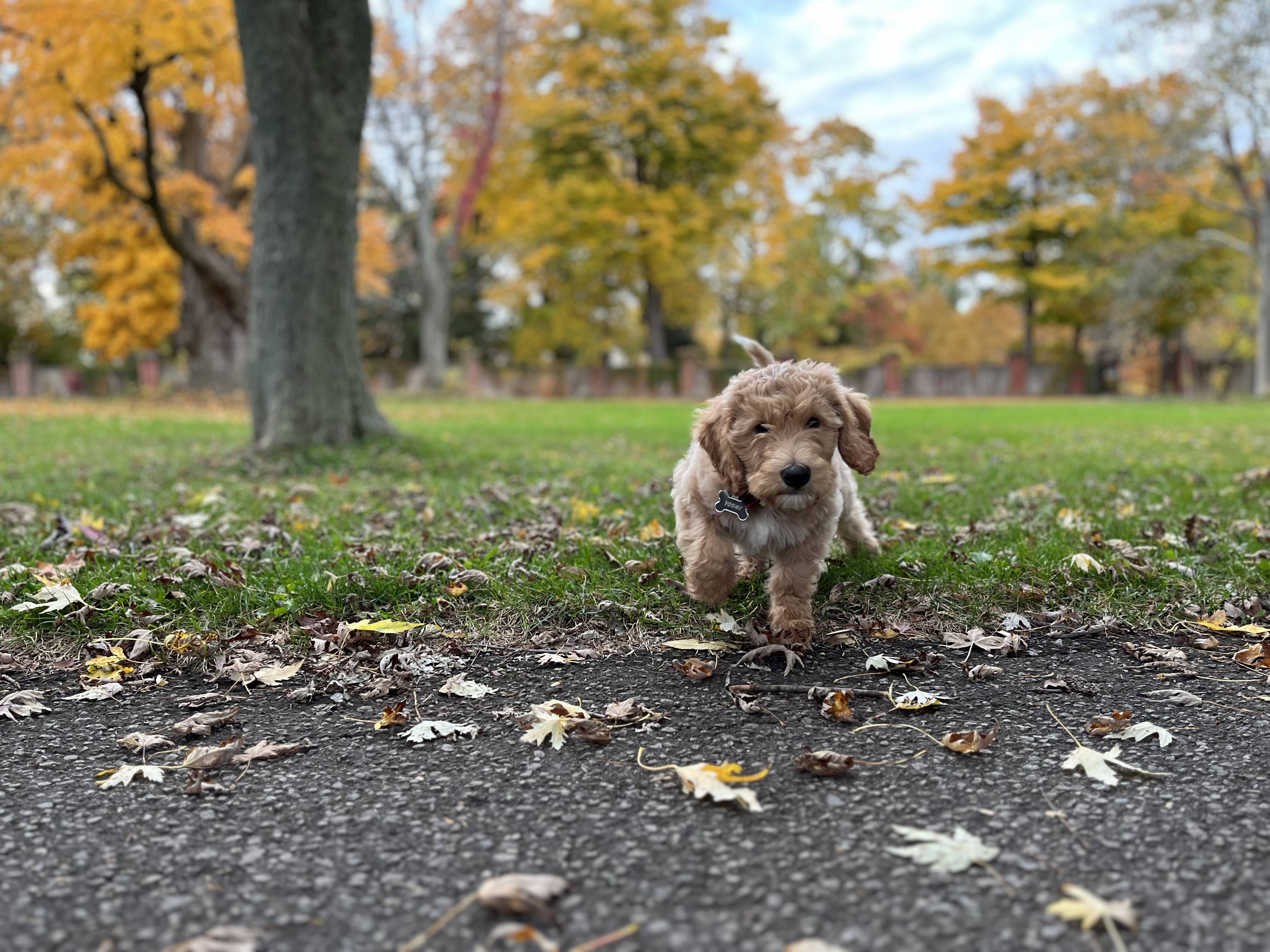
Why Dental Care Matters for Your Pup
Dental hygiene is often overlooked by pet owners, yet it plays a critical role in your dog's longevity and quality of life. Without regular cleaning, plaque and tartar can lead to painful gum disease, tooth loss, and even systemic infections affecting the heart and kidneys.
In Canada, the varying climate means our dogs spend more time indoors during winter, where dry air can sometimes affect oral health. Staying proactive with a routine ensures your furry friend stays happy and healthy throughout the year.
Daily Brushing and Maintenance Tips
The gold standard for canine dental care is daily brushing using dog-specific toothpaste. Never use human toothpaste, as it often contains xylitol, which is toxic to dogs. Start slowly by letting your pet lick the paste off your finger before introducing a soft-bristled brush.
Consistency is key to preventing the buildup of bacteria. Aim to brush at least three times a week, though daily is ideal.
Diet and Dental Chews for Oral Support
What your dog eats significantly impacts their oral health. High-quality dry kibble can provide some mechanical scraping action, but specialized dental chews and toys are even more effective. Look for products approved by veterinary dental associations to ensure safety and efficacy.
Avoid giving your dog extremely hard items like deer antlers or large marrow bones, as these can lead to fractured teeth. Choosing the right texture helps scrub away plaque while satisfying your dog's natural urge to chew.
Professional Checkups and Warning Signs
Even with the best at-home care, professional veterinary cleanings are necessary. Canadian veterinarians recommend annual oral exams to catch issues like gingivitis or cracked teeth early. These visits often include professional scaling and polishing under sedation for a deep clean.
Watch for warning signs such as extremely foul breath, bleeding gums, or a sudden loss of appetite. If you notice your dog struggling to chew, it is time to consult a professional. Stayadoodle is here to help you navigate every stage of your dog's health journey with expert advice.