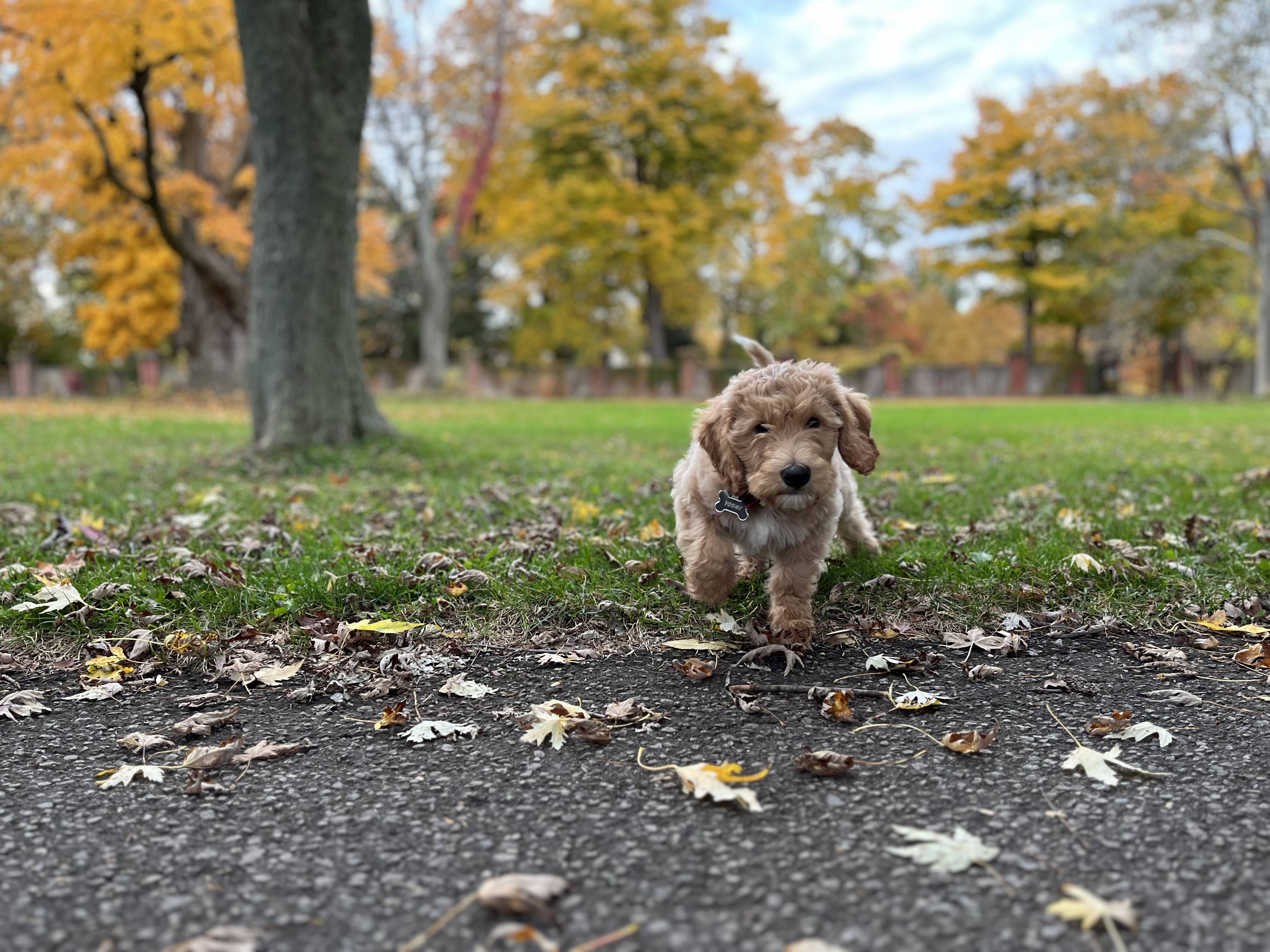
Bringing a new dog into your home is the beginning of a relationship built on patience and consistency. Trust does not develop overnight, especially for rescue dogs adjusting to unfamiliar environments. This guide offers practical steps to help Canadian pet parents create a strong, lasting bond with their new companion.
Why Trust Is the Foundation
Trust allows your dog to feel safe, understood, and secure. Without it, training becomes difficult and anxiety may increase.
For Canadian Pet Parents, especially those adopting through shelters, early bonding sets the tone for long term Pet Wellness and Responsible Pet Ownership.
Dogs build trust through predictable experiences, gentle guidance, and consistent care.
Start with a Calm Transition
The first few days are about decompression, not perfection.
Keep Things Simple
Limit visitors initially
Maintain a quiet home environment
Offer a designated rest space
Avoid overwhelming your dog with excessive activity. Many rescue dogs need time to observe and adjust.
In busy urban areas such as Toronto or Vancouver, gradual exposure to noise and foot traffic is especially important.
Establish a Predictable Routine
Dogs feel secure when daily life follows a pattern.
Core Routine Elements
Consistent feeding times
Scheduled walks
Regular rest periods
Routine reduces uncertainty and supports emotional stability. Canadian winters may require flexibility, but maintaining consistent timing still matters.
Predictability strengthens trust over time.
Use Positive Reinforcement
Positive reinforcement encourages cooperation without fear.
Practical Applications
Reward calm behaviour
Praise desired actions
Use treats thoughtfully during training
Avoid punishment or harsh corrections. Fear based methods can damage trust, especially for sensitive Dog Breeds or previously neglected dogs.
Clear communication builds confidence.
Learn Your Dog’s Body Language
Understanding signals prevents misunderstandings.
Watch for Signs of Comfort
Relaxed posture
Soft eye contact
Willing engagement
Watch for Signs of Stress
Lip licking
Turning away
Cowering or trembling
Responding appropriately to these cues shows your dog that you respect their boundaries.
Create Positive Shared Experiences
Bonding grows through shared activities.
Meaningful Ways to Connect
Daily walks in local parks
Gentle grooming sessions
Short training games
Quiet time together
In Canadian climates, seasonal activities such as snow walks or autumn hikes provide opportunities for connection. Always adapt to your dog’s comfort level.
Quality matters more than duration.
Encourage Gentle Physical Contact
Not all dogs are immediately comfortable with touch.
Build Comfort Gradually
Allow your dog to initiate contact
Use slow, calm movements
Avoid hugging or restraining early on
For some rescue dogs, physical affection develops slowly. Respecting pace builds deeper trust.
Provide Safe Boundaries
Clear boundaries create emotional security.
Establish Household Rules Early
Define allowed spaces
Use consistent commands
Reinforce expectations calmly
Structure does not limit affection. It provides clarity and reduces confusion.
Responsible Pet Ownership includes offering both warmth and guidance.
Support Independence Alongside Bonding
Healthy attachment includes the ability to rest alone.
Encourage your dog to:
Settle in a designated space
Rest independently
Feel secure during short absences
Balancing connection and independence prevents over attachment and supports long term emotional resilience.
Be Patient with Rescue Dogs
Adopted dogs may carry past experiences that influence behaviour.
It can take weeks or months for full trust to develop. Progress may include small milestones such as relaxed sleep posture or voluntary play.
Celebrate subtle improvements. Trust is built gradually.
When to Seek Support
If your new dog shows persistent fear, aggression, or withdrawal, consult:
A certified professional dog trainer
Your primary veterinarian
Professional guidance can provide structure and reassurance during the adjustment period.
Final Thoughts
Building trust with your new dog is a steady, thoughtful process. Through routine, positive reinforcement, and respectful communication, Canadian Pet Parents can create a strong emotional foundation.
Trust grows through daily consistency rather than grand gestures. By offering safety, structure, and patience, you allow your dog to feel secure and valued.
Over time, this steady approach strengthens your bond and supports lasting Pet Wellness. A relationship built on trust becomes the foundation for a confident, connected life together.