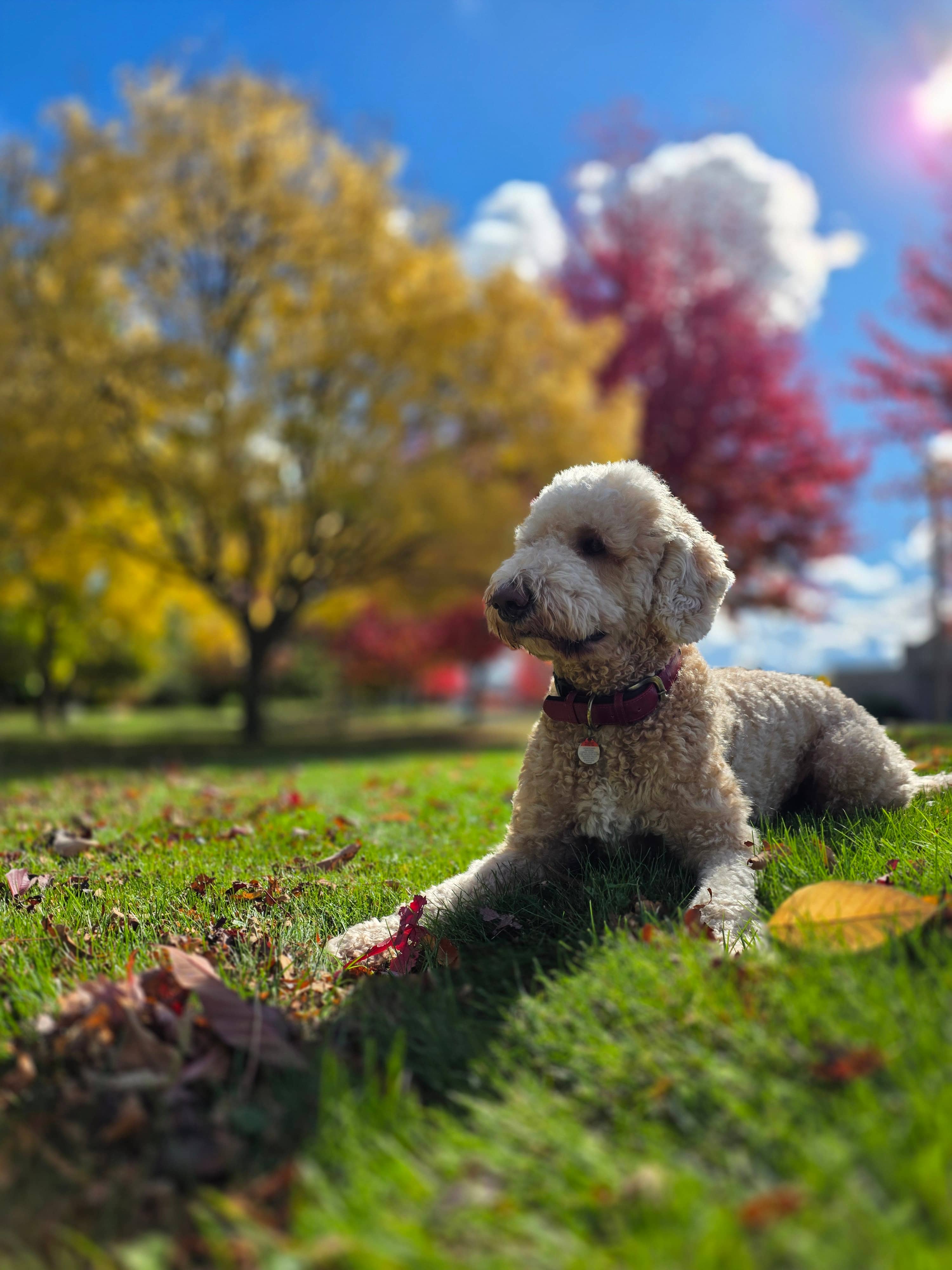
11 Healthy Fruits and Veggies That Are Great for Dogs
Dogs don’t need fruits and vegetables to survive. A balanced commercial diet already covers their nutritional needs.
But the right produce can offer healthy, low calorie, vitamin rich treats. Especially for training rewards or weight management, fruits and vegetables can be a smart alternative to processed snacks.
The key is knowing what’s safe, how much to serve, and how to prepare it properly.
Here are 11 healthy options that most dogs tolerate well.
1. Blueberries
Small, soft, and packed with antioxidants, blueberries are excellent bite sized treats.
They support:
Immune health
Brain function
Cellular repair
Serve fresh or frozen in moderation.
2. Carrots
Carrots are low in calories and high in fiber and vitamin A.
They also help with dental health through natural chewing action. Many puppies enjoy frozen carrots during teething.
Cut into appropriate sizes to prevent choking.
3. Apples (Without Seeds)
Apples provide vitamin C and fiber.
Important: remove seeds and core. Apple seeds contain small amounts of cyanide, which can be harmful if consumed regularly.
Slice into manageable pieces.
4. Pumpkin (Plain, Cooked or Canned)
Plain canned pumpkin is widely used to support digestion.
It can help with:
Mild diarrhea
Mild constipation
Ensure it is pure pumpkin, not pie filling with added sugar or spices.
5. Green Beans
Green beans are low calorie and filling.
They are often recommended for dogs on weight management plans. Serve steamed or raw in small pieces.
Avoid added salt or seasoning.
6. Cucumbers
Cucumbers are hydrating and low in calories.
They are especially refreshing during warm Canadian summers when dogs need hydration support.
Slice thinly for easier chewing.
7. Sweet Potatoes (Cooked)
Cooked sweet potatoes provide fiber and vitamins A and C.
Always cook thoroughly and serve plain. Avoid butter, salt, or seasoning.
Raw sweet potatoes can be difficult to digest.
8. Zucchini
Zucchini is mild, low calorie, and easy to digest.
Serve raw or lightly steamed in small amounts. It is a simple addition for dogs who enjoy softer textures.
9. Watermelon (Seedless)
Watermelon is mostly water, making it a hydrating summer snack.
Remove seeds and rind. Serve small cubes only.
10. Bananas
Bananas contain potassium and natural sugars.
Because of their sugar content, they should be given sparingly. Small slices are enough.
11. Broccoli (In Moderation)
Broccoli contains fiber and vitamin C.
However, large quantities can cause stomach upset. Offer small steamed pieces and monitor tolerance.
Portion Matters
Even healthy produce should only make up a small portion of your dog’s diet.
A good rule is:
Treats, including fruits and vegetables, should not exceed 10 percent of daily calorie intake.
Too much fiber or sugar can lead to digestive upset.
What to Avoid
Some fruits and vegetables are unsafe for dogs.
Avoid:
Grapes and raisins
Onions
Garlic
Avocado
Mushrooms from outdoors
Cherries
When in doubt, consult your veterinarian before introducing new foods.
A Canadian Perspective
In Canada, seasonal produce varies throughout the year. Local berries in summer or root vegetables in winter can be affordable and fresh options.
However, always wash produce thoroughly to remove pesticides or residues.
If your dog has existing health conditions such as diabetes, pancreatitis, or food sensitivities, consult your vet before adding new treats.
Final Thoughts
Fruits and vegetables can be healthy additions to your dog’s routine when served thoughtfully.
They provide:
Variety
Nutrients
Low calorie snack options
Mental enrichment
Introduce new foods slowly and monitor for any signs of digestive discomfort.
Healthy treats do not need to be complicated. Sometimes the best options are already in your kitchen.
The key is balance, moderation, and awareness.
Because responsible pet parenting includes knowing not just what to feed, but how much.